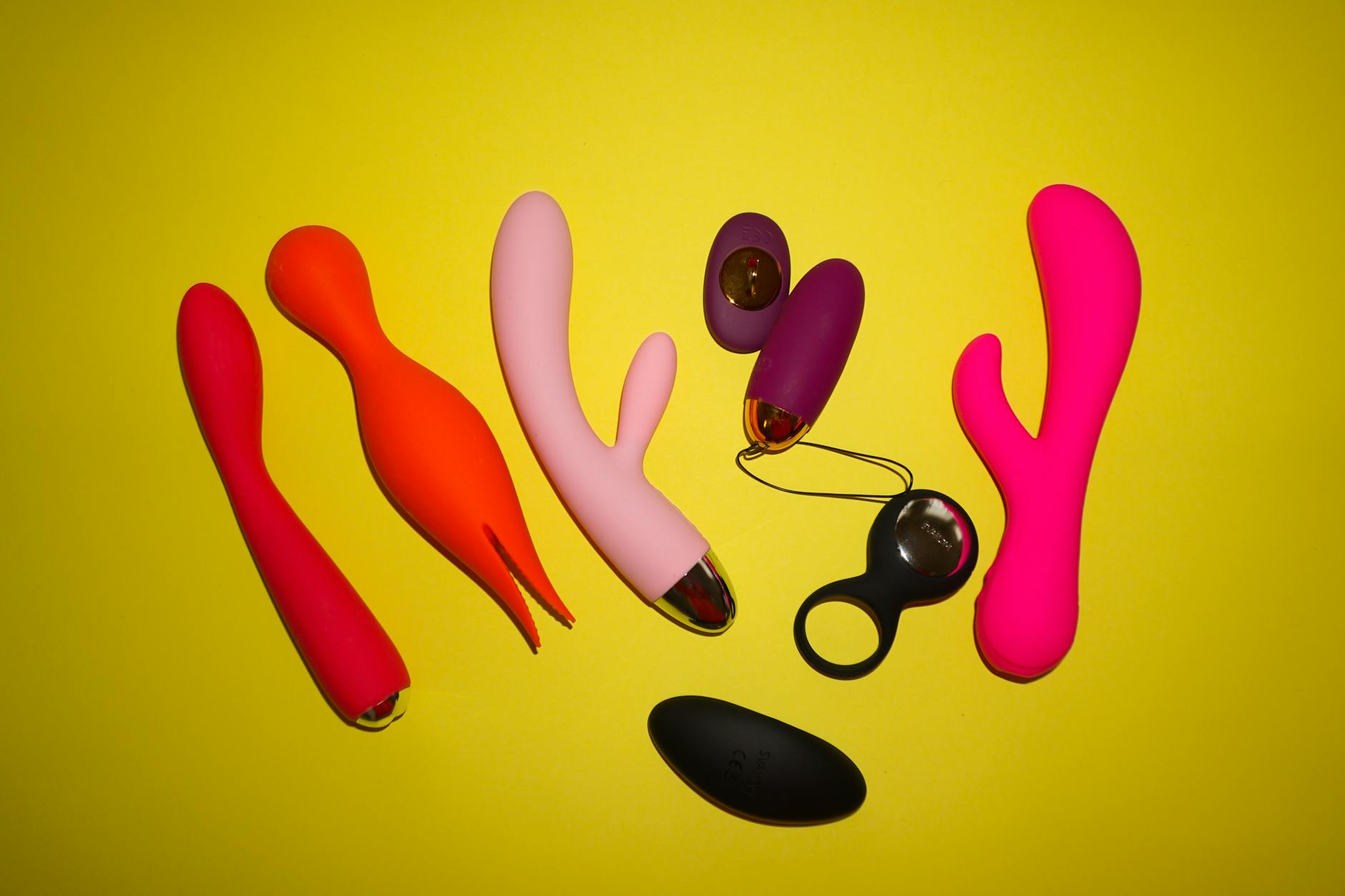
Let's name what actually happens
Sexual trauma rewires your nervous system. It doesn't just change how you think about sex. It changes your body's threat response. Touch that used to feel good becomes a signal your system reads as danger. Rebuilding pleasure is not about willpower or positive thinking. It's about slowly, methodically teaching your nervous system that touch can be safe again. That's the work.
Most tools available to people aren't designed for this. They're designed for speed, for performance, for someone else's timeline. A lemon vibrator works differently because it hands you complete control.
Why control matters more than you think
After trauma, your nervous system is hypervigilant. It's watching for threats. When you're with a partner, part of your attention is always monitoring them. Are they moving too fast? Will they push past a boundary? That divided attention makes pleasure impossible.
Solo exploration with a tool like a lemon clitoral vibrator eliminates that surveillance work. No one else is in the equation. No one will surprise you or push you. You set the tempo, the intensity, the duration. This sounds simple. In practice, this is liberation.
I've worked with clients who spent years unable to access pleasure with a partner. Six weeks of solo practice with a lemon vibrator. Different story. Not because the vibrator is magic. Because reclaiming your own sensation without fear rewires something fundamental.
The design matters for safety
A lemon sucker vibrator works through gentle air-pulse technology, not aggressive vibration. This distinction is crucial after trauma. Traditional vibrators can feel overstimulating to a nervous system that's already in high alert. The sensation is too much, too fast, too aggressive. Air-pulse stimulation is gentler. It's more like suction than percussion. Your body reads it differently.
You also start at the lowest setting. You control the progression. Setting 1 feels like a soft pulse. If your nervous system feels safe, you move to setting 2. If not, you stay at 1. Or you stop. That agency is not a small thing. After trauma, agency is everything.
Rebuilding sensation step by step
Trauma creates numbness, dissociation, or hypersensitivity. Your body may have disconnected from the sensations that used to ground you. Reintroduction happens slowly. Start with the device off. Just hold it. Notice the weight, the texture, the shape. Let your nervous system catalog it as safe.
Next session, turn it on at the lowest setting. See how your body responds. There is no timeline here. If it takes three weeks to feel comfortable at setting 1, that's correct. Rushing this process recreates the powerlessness that trauma created in the first place.
Once you can access sensation without flooding, you build from there. Maybe you notice pleasure appearing as a small tingle. That's enough. Sit with it. Let your brain remember what pleasure feels like without the threat.
Many of my clients report that this solo work actually improves partnered sex. You've reconnected with your own arousal signal. You've practiced saying no or slow down without judgment. You've proven to yourself that your body can feel good again. That translates into the partnership.
The grief work that has to happen alongside
Honestly though. Let's sit with this for a moment. Rebuilding pleasure after trauma also means grieving what was taken. The sex life you had. The spontaneity. The ease. Some people minimize this. They want to skip to "I'm healed now." That approach usually fails.
Sex after trauma is different. It may eventually feel better, deeper, more conscious. But it won't feel like it did before. Grieving that loss is part of the healing. The lemon vibrator won't do that work for you. Only honesty and time will.
If you're partnered, your partner needs to understand this too. Recovery is not a performance. Sex is not a milestone to check off. It's a gradual, sometimes nonlinear reconnection with your own desire. Your partner's job is to witness that, support it, and not push it.
When to bring a partner in
Solo exploration has to come first. Once you've reconnected with sensation on your own terms, some people eventually want to share that with a partner. That's a different conversation.
I usually recommend talking about what you've learned about your body and your needs. Not as a performance demonstration, but as information. "I like starting at a lower intensity." "I need five minutes of touch before anything else." "If I say stop, I mean right now." These become agreements, not surprises.
Some partners will rise to this. They'll slow down, listen, adapt. Some won't. That's painful information, but it's information you deserve to have.
The nervous system and pleasure are the same system
One thing I want to be really clear about. Your nervous system doesn't separate safety from pleasure. When you're safe, your body can explore sensation. When you're unsafe, your body contracts. This is biology, not psychology. It's not that you're "not trying hard enough" or "haven't healed enough yet."
This is why a solo tool that you control completely becomes so powerful. Every single time you choose to touch yourself with a lemon clitoral vibrator, and you do it at your own pace, and you stop when you want to stop. Your nervous system learns. It catalogs the experience as safe. Over time, this accumulates. Your baseline threat level drops.
I've seen people move from complete numbness to pleasure in three to six months of patient solo work. I've also seen people take longer. Neither is wrong. Your timeline is your timeline.
Practical steps to get started
First, choose a private time when you're not rushed. Trauma recovery has enough pressure already. Don't add time pressure.
Second, have water nearby. A blanket. Maybe a journal. You may want to process feelings afterward. This is normal.
Third, start with the device off. Let your hands and your body guide this. If touch feels scary, that's information. It doesn't mean you've failed. It means your nervous system is still in protection mode. That's okay. Rest. Try again another time.
If you're partnered, tell them you're taking some solo time to reconnect with your body. You don't need to explain lemon vibrators or sexual healing or anything else. "I need some time alone" is a complete sentence.
Questions people ask
Will using a lemon vibrator make partnered sex less important? No. Solo exploration and partnered intimacy serve different functions. Solo work teaches you about your own pleasure. Partnered sex is about connection. Both matter.
How long until I can feel pleasure again? Every person is different. Some notice shifts in weeks. Others take months or years. Progress isn't linear. You might feel good one day and disconnected the next. That's not failure.
What if I feel nothing even with the vibrator? Numbness is a common trauma response. It's your nervous system protecting you. Keep practicing. The sensation may return slowly. If nothing changes after three months of regular practice, consider talking to a therapist who specializes in trauma. There's no shame in needing additional support.
Can I use a lemon vibrator if I have vaginismus or pain? Yes, but gently. Air-pulse stimulation is gentler than traditional vibration. Start with the external clitoral area only. Never push into pain. If penetration is painful, that's a separate issue worth addressing with a pelvic floor specialist.
What if my partner finds out? Your body, your choice. Solo sexuality is your right. If shame is showing up here, that's worth examining. You deserve privacy and autonomy in your own pleasure.
Is a lemon vibrator the only tool that works? No. Different tools work for different people. But lemon suction vibrators offer gentleness and control that many people find protective. They're worth trying.
The long game
Recovery from sexual trauma is not about returning to who you were before. It's about becoming someone new. Someone who knows their body. Someone who trusts their own yes and no. Someone who understands that pleasure is not a prize for performing well. It's a birthright.
A lemon clitoral vibrator won't heal you by itself. But in the hands of someone ready to slowly, patiently reclaim their own body, it becomes a tool for that larger transformation. That's the real work. And it's absolutely worth doing.
If you're navigating recovery, consider working with a therapist who specializes in sexual trauma. Sex-positive psychotherapy, somatic experiencing, or Gottman Method work can all support this journey. You don't have to do this alone.
When you're ready to explore, start with patience. Let your body lead. Trust the timeline. Your nervous system knows what it needs. Listen to it.