Grief actually does numb your body.
Here's the thing nobody explains clearly. When you're processing loss, your nervous system goes into protection mode. Blood flow redirects away from your extremities and genitals. Sensation fades. Pleasure feels impossible, wrong, or like a betrayal of the person you've lost. For some people, this numbness lasts weeks. For others, months or years.
The disconnect isn't psychological weakness. It's your body's survival mechanism working exactly as designed. But survival mode wasn't meant to last forever.
What happens to desire when you're grieving.
Grief impacts arousal in three ways that matter. First, cortisol and adrenaline stay chronically elevated, which suppresses sexual hormones. Your body is stuck in a low hum of threat detection. Second, the psychological load of loss takes up the real estate in your brain where anticipation and desire normally live. You're operating from the amygdala, not the prefrontal cortex. And third, you might feel genuine ambivalence about pleasure itself. If you're grieving a partner, pleasure can feel like infidelity. If you're grieving a parent, it can feel like disrespect. Those feelings are real, and they don't go away with a pep talk.
But here's the clinical observation that matters: the body's capacity for sensation doesn't disappear. It hibernates. And hibernation can be gently interrupted.
Why lemon vibrators are different for grief recovery.
Most vibrators demand engagement. They're intense, they require mounting pressure, they need your active participation. When you're grieving, that friction (literal and emotional) is often a dealbreaker. You're not ready to perform pleasure. You're not ready to work for it. You want your body to remember what sensation feels like without having to fight for it.
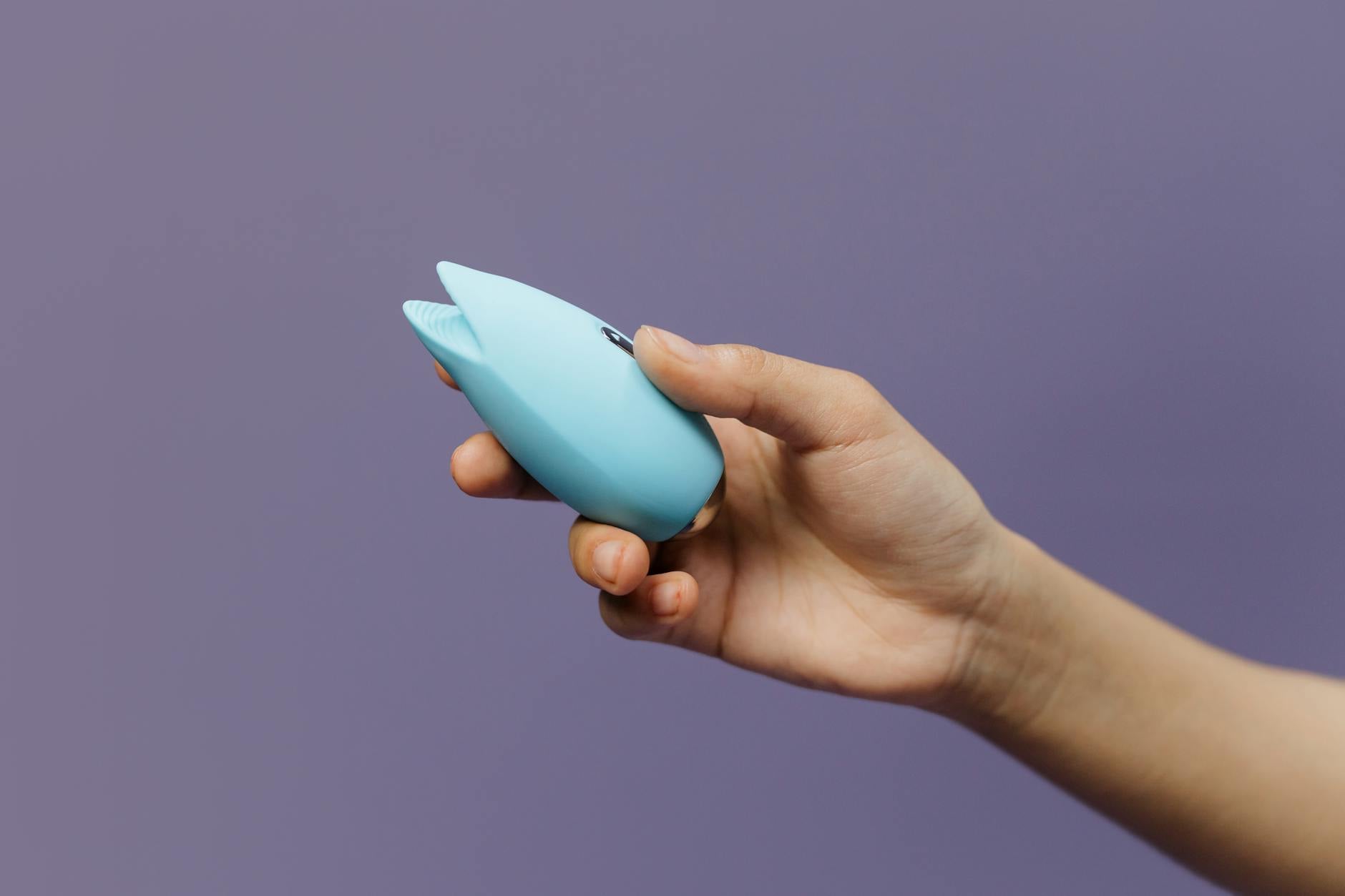
Lemon clitoral vibrators work differently. The suction mechanism creates stimulation that doesn't rely on friction or intensity. You can rest against it at pattern one, barely moving, and still experience real sensation. The lem vibrator, specifically, has a learning curve so gentle that you can start so small that your nervous system doesn't register it as a threat. It's like waking your body up with a whisper instead of an alarm.
Lubricant helps too. When you're grieving, tissue often feels drier because cortisol suppresses natural moisture. A water-based lubricant removes that additional friction friction, which means sensation can arrive without physical discomfort layered on top of everything else.
The neuroscience of pleasure after loss.
Your vagus nerve is the main highway between your brain and your pleasure center. Chronic grief puts your vagus nerve into a clenched state. Gentle, non-threatening stimulation is one of the most direct ways to coax it back open. This isn't masturbation for the sake of orgasm. This is nervous system recalibration.
When you start using a lemon vibrator slowly, something specific happens: your brain begins to recognize that sensation can arrive without danger. Sensation isn't tied to loss. Sensation isn't a betrayal. Sensation is just information. Your body begins to trust again.
Orgasm often doesn't happen on the first few tries. And that's fine. That's actually perfect. The point isn't the climax. The point is rebuilding the neural pathway that says "I can feel pleasure and that doesn't erase my grief." Those aren't mutually exclusive.
How to restart with a lemon vibrator after loss.
Start stupidly small. Set a timer for five minutes. Choose the lowest pattern. Add lubricant. Touch the lemon vibrator to the side of your vulva, not directly on your clitoris. Let yourself feel nothing. Let yourself feel bored. That's the goal. You're teaching your nervous system that this sensation is safe enough to ignore.
Over the course of a few sessions, you might move closer to your clitoris. You might try pattern two. You might spend ten minutes instead of five. There's no schedule. There's no performance metric. You're literally just reminding your body that it can feel something other than the weight of grief.
Many people find that after three or four low-pressure sessions, something shifts. The numbness doesn't lift completely. But a small window opens. And in that window, you might feel a flutter, a warmth, a tiny involuntary twitch. That's enough. That's everything.
Some people find it helpful to set an intention before using a lemon vibrator during grief: "I'm doing this for me, not for anyone else." Some people find it helps to use the vibrator at a specific time of day, in a specific place, creating a ritual around the reconnection. The ritual part isn't about pleasure. It's about permission. You're telling your body that this time belongs to you, and in this time, numbness can pause.
When grief also means loss of a partner.
If you're grieving a romantic partner, using a lemon clitoral vibrator can bring its own layer of complexity. Some people experience guilt. Some experience a visceral sense that pleasure belongs to the person they've lost. If that's you, consider talking to a grief counselor or therapist alongside this practice. Grief and pleasure can coexist, but believing that is sometimes work.
What I tell my clients: your body belongs to you. Full stop. Pleasure is not disloyalty. Sensation is not a betrayal. Your partner would likely want you to come back to yourself, not to disappear into the grief.
When to bring a partner back into this.
If you're partnered and you're grieving (whether the loss is of a parent, a friend, or something else entirely), reintroducing solo pleasure first can actually help rebuild couple intimacy. When your own nervous system recognizes that sensation is safe again, your capacity to be present with a partner shifts. You're not fighting your own numbness and trying to connect simultaneously. You're reconnecting to your body first, then to another person.
Once you feel ready, you might use a lemon vibrator with your partner present, or you might ask them to hold you while you use it solo. The shape of that reconnection is personal. But many of my clients find that the gentleness of the lemon suction mechanism makes it a less triggering entry point than other vibrators.
The timeline is your timeline.
There's no calendar for when grief should stop numbing you or when pleasure should return. Some people feel a shift in sensation within a few weeks of gentle practice. Some take months. Some need to do this work alongside therapy, medication, or both. A lemon clitoral vibrator is a tool, not a cure. But it's a tool that says to your body: "Your pleasure matters. You get to feel good again."
Grief doesn't mean you're broken. Numbness doesn't mean you're stuck forever. And using a lemon vibrator to rebuild sensation isn't weakness or rushing. It's the opposite. It's your body saying yes to itself again.
People also ask.
Is it okay to use a vibrator if I'm grieving?
Yes. Grief numbs your nervous system as a survival response. Gentle stimulation, like what a lemon vibrator provides, can help wake sensation back up. You're not being disrespectful to the person you've lost. You're taking care of yourself. That matters.
How long does it take for pleasure to come back after loss?
There's no fixed timeline. Some people feel shifts in sensation within weeks of using a lemon vibrator gently. Others take months or years. The goal isn't speed. The goal is noticing when your body starts to say yes to feeling again. For many people, consistent low-pressure practice with a lemon sexual toy helps that window open faster than waiting passively.
Can I use a lemon clitoral vibrator if I'm also in therapy for grief?
Absolutely. In fact, many therapists recommend it. Your therapist can help you process the emotions that arise as sensation returns. The vibrator is the tool. Therapy is the container where you make sense of what using it brings up. They work together.
What if an orgasm doesn't happen?
Then you're doing it right. When you're grieving, orgasm often isn't the point. The point is your body recognizing that sensation can arrive without threat. Pleasure can exist without climax. Many people find that after weeks or months of gentle practice with a lemon vibrator, orgasm eventually shows up naturally. But if it takes longer, that's completely normal.
Should I tell my partner I'm using a lemon vibrator to process grief?
That depends on your relationship and what feels safe. Some people find it helps to say: "I'm doing some work on reconnecting to my body during this grief. It might help me be more present with you eventually." Others prefer privacy. Neither choice is wrong. You get to decide what information belongs to you and what you share.
Is a lemon vibrator different from other adult toys for this purpose?
Yes. Lemon vibrators use suction rather than direct friction, which means you can start incredibly gently without intensity. The lem vibrator in particular has a learning curve so shallow that it's easy to use solo while you're also processing grief. Other vibrators often demand more active engagement or higher intensity to feel effective. When you're numb, that can feel like too much.
Your body is wise. It has held you through loss. As your nervous system begins to believe that you're safe again, sensation returns. A lemon vibrator can be one of the gentlest ways to have that conversation with yourself.