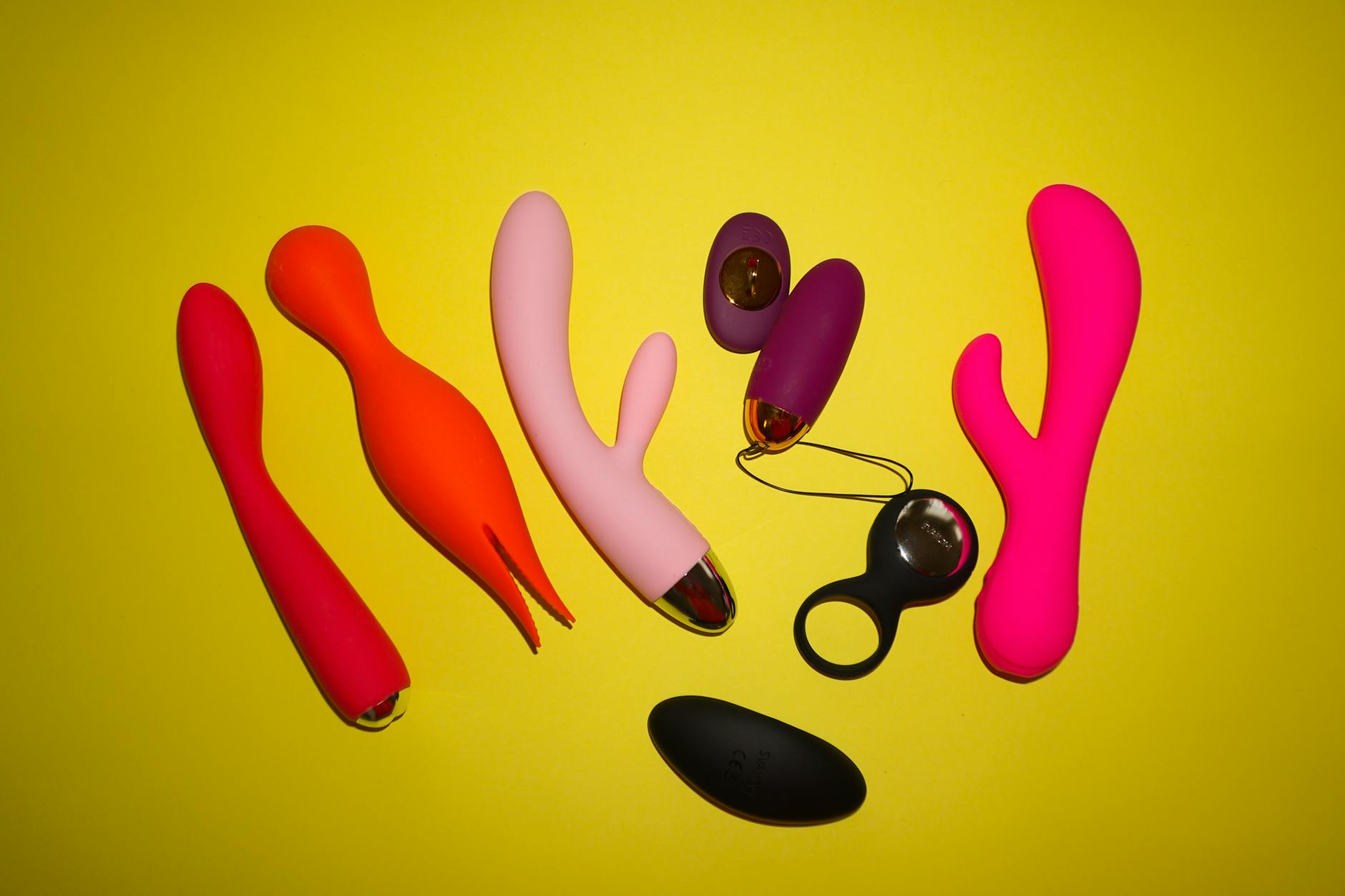
The uncomfortable truth about timing
Honestly? There is no "normal" orgasm timeline. You might finish in two minutes or twenty. Both are fine. The cultural myth that you should climax in five to seven minutes is someone's arbitrary fiction, usually invented by porn or poorly designed research that didn't account for the actual variations in human bodies.
Here's what matters: you deserve to know what factors actually shape your timeline so you can stop judging yourself against an imaginary clock.
What the research actually says
A 2018 study published in PLOS ONE surveyed over 1,000 people and found that orgasm timing ranged from under a minute to over 30 minutes, with a median of about 5.4 minutes for people using vibrators. The key word? Median. Not average, not normal, not what you should expect. Half the people were faster, half slower.
That said, lemon clitoral vibrators tend to shorten timelines compared to manual stimulation. Air-suction technology like the Lem cycles through patterns and pressures your hand can't replicate, so many people notice they finish faster with a vibrator than without one.
Does faster mean better? Not even a little.
The factors that actually shape your timeline
Arousal level going in
Your starting point matters enormously. If you're coming to a lemon vibrator already warmed up (mentally, emotionally, physically), you'll finish faster than if you're cold starting. Context counts. Are you stressed about work? Did you just have a fight with your partner? Are you well-rested? Are you genuinely interested, or are you doing this out of obligation?
I see couples make a common mistake here: one person expects the other to flip a switch and be ready in 30 seconds. That's not how bodies work. Foreplay, anticipation, and mental headspace are not optional extras. They're part of the system.
Stress and nervous system state
Your parasympathetic nervous system needs to be online for you to finish. If you're tense, distracted, or worried about being overheard, your body doesn't cooperate well. Some people need total silence and privacy. Others need the door locked but don't care about noise. Some people orgasm faster when they know they have limited time (erotic urgency). Others clam up when rushed.
The lemon vibrators work with your nervous system, not against it, but only if your brain is actually in the room.
Hormonal phase
If you menstruate, your cycle shapes everything. During the follicular phase (after your period, leading up to ovulation), many people orgasm faster and more easily. During the luteal phase, it might take longer, require more intensity, or feel less straightforward. This isn't failure. It's biology.
Hormonal birth control, HRT, menopause, and medications all shift timelines too. If your timeline has changed and you haven't changed your approach, that's probably worth investigating.
Pelvic floor tension
People often hold tension in the pelvic floor without noticing. Tight pelvic floor muscles can block arousal, delay orgasm, or make the sensation feel muted. Paradoxically, some people need a certain amount of pelvic floor engagement to finish. Learning where your baseline sits is surprisingly useful.
How lemon adult toys shape the timeline
Clitoral suction vibrators work through two mechanisms: rhythmic pressure and targeted suction. Both can accelerate response compared to other methods. Many people report that switching to a lemon vibrator cuts their timeline by 50 percent.
But here's the nuance: you might finish faster on the first orgasm and then need more time for subsequent ones. Your sensitivity changes throughout a session. Some people hit a ceiling where higher intensity doesn't help anymore, and they need a break or a shift in approach.
The lem vibrator patterns matter too. Some patterns are direct and intense (better for people who respond to straightforward pressure). Others are complex and rhythmic (better for people who like variation and buildup). Experimentation isn't wasted time. It's data collection.
Adaptation and habituation
Your body adapts to vibration. If you use the same vibrator at the same intensity multiple times a week, you might notice the timeline stretches over time. You're not broken. Your nervous system just got used to it. Switching patterns, taking breaks, or rotating between different lemon sexual toys can refresh the response.
Why you should stop timing yourself
The moment you start watching the clock, you fracture your attention. Orgasm requires mental presence. Even a small part of your brain tracking "how long has it been?" is part of your brain not focused on sensation.
Partners: if you're timing your partner's orgasm to judge your own performance, stop. You're not responsible for their timeline. You are responsible for being present and responsive to what they're actually experiencing, not what you think should be happening.
Solo: if you're anxious about "taking too long," here's permission to take as long as you need. There's no audience. There's no schedule. If it takes 30 minutes, that's a 30-minute investment in your own pleasure. That's not wasted time. That's called taking care of yourself.
What actually correlates with satisfaction
Research on sexual satisfaction doesn't show a strong link to duration. It shows links to:
- Arousal level beforehand
- Mental focus and freedom from distraction
- Physical comfort (temperature, position, privacy)
- Emotional safety and connection (in partnered scenarios)
- Realistic expectations (not comparing to fantasy)
- Willingness to adjust approach if something isn't working
None of those things require speed.
The practical reset
If you're frustrated with your timeline, try this:
Stop timing. Seriously. Delete any mental clock. Give yourself a window of time where you're not allowed to check the time.
Second, audit your baseline arousal. Are you coming in warm, or cold? Most people benefit from building anticipation intentionally.
Third, check your stress level. If you're managing a million things, your nervous system isn't primed for pleasure. That's not a performance failure. That's a signal that you need to create actual space for this.
Fourth, experiment with patterns and intensity. How to Use Lemon Vibrators for the First Time covers this in depth, but the short version is: don't just crank it to maximum on day one. Explore.
If you have a partner, How to Use Lemon Vibrators With a Partner has strategies for syncing expectations and removing performance pressure from the equation.
When timing actually matters
There are real scenarios where timeline concerns are legitimate:
If you finish so quickly that it feels uncomfortable or you're not satisfied, that's worth addressing. A longer timeline might actually feel better for you. Some people benefit from conditioning techniques or reframing what pleasure looks like.
If you can't finish at all with a vibrator but can manually, your vibrator might not be calibrated for your neurology. Different lemon vibrators have different force profiles and patterns. It's not that you're broken. It's that you haven't found your device yet.
If your timeline has changed dramatically and you're concerned, that can signal hormonal shifts, medication side effects, or stress that deserves attention.
FAQ
How long should orgasm take with a lemon vibrator?
There's no "should." Research shows timelines range from under a minute to 30+ minutes. The median is around five minutes, but that's just the midpoint of a wide range. Your timeline is yours. Stop comparing it to anyone else's.
Why do I finish faster with lemon clitoral vibrators than manually?
Vibration cycles at a frequency your hand can't maintain. It's more consistent, more intense, and often more targeted. That consistency can accelerate response. But faster doesn't mean more satisfying. Some people prefer the longer buildup of manual stimulation.
Can I train myself to last longer?
Yes, but "lasting longer" is worth reframing. If you orgasm in two minutes and you're happy, there's nothing to train. If you want the session to last longer because it feels more satisfying, edging (building arousal and backing off repeatedly) can extend timelines. So can changing patterns, taking breaks between orgasms, or shifting intensity.
Does stress really affect how fast I orgasm?
Completely. Your parasympathetic nervous system has to be engaged. If you're worried, distracted, or tense, your body prioritizes survival over pleasure. A quiet room, privacy, time pressure lifted, and genuine interest matter far more than your vibrator's specs.
Why is my timeline so different from my partner's?
Because you have different nervous systems, hormones, stress levels, and bodies. Comparing timelines is like comparing shoe sizes. Meaningless. What matters is that you both feel satisfied and present, not that you cross the finish line simultaneously.
Should my orgasm timeline be the same every time?
No. It changes based on your cycle, stress, sleep, arousal going in, what you're thinking about, and dozens of other variables. If today takes five minutes and tomorrow takes twenty, you're probably fine. Dramatic, persistent changes (suddenly taking twice as long every time) can signal hormonal shifts or stress worth addressing.
The real takeaway
Your body isn't a machine with a standard timeline. It's a system shaped by hormones, neurology, stress, arousal, attention, and context. Lemon vibrators are excellent tools precisely because they're reliable and consistent. But reliable doesn't mean fast. It means you can count on them to work, which lets you relax and actually be present instead of anxious about performance.
Timing yourself is the opposite of that. Stop it. Your pleasure isn't measured in minutes. It's measured in whether you felt good, whether you were present, and whether you're willing to invest in yourself again next time. Everything else is noise.