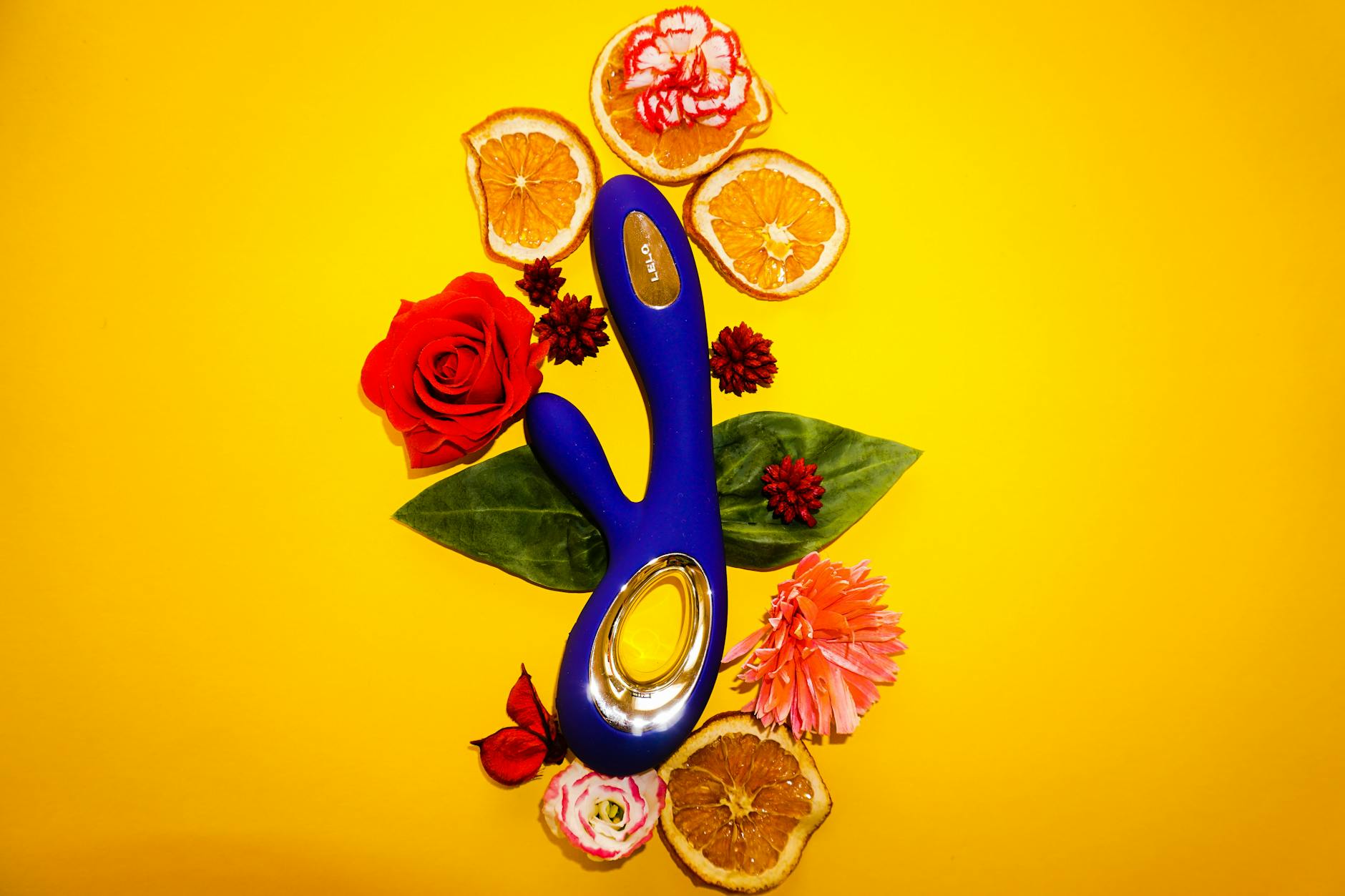
Let's name what actually happens when stress wins
When you're burned out, arousal doesn't just take a backseat. Your nervous system actively shuts down the pathways that create sexual response. It's not laziness or a relationship problem or something you can fix by "trying harder." Your body is literally protecting itself.
I see this constantly in my practice. Partners come in saying "I love them, I want to want this, but my body won't cooperate." That's not contradiction. That's neurobiology.
Here's the thing: reconnecting with pleasure after prolonged stress isn't about willpower or romance. It's about the nervous system learning it's safe again, then gently rewaking the pathways that were put on pause.
What stress does to sexual response
When you're under sustained pressure, your sympathetic nervous system (the fight-flight response) dominates. Cortisol stays elevated. Your body prioritizes survival resources: blood flow goes to your muscles and brain, away from the genitals. Vaginal lubrication decreases. Arousal time lengthens dramatically, or doesn't happen at all. Touch can feel irritating instead of pleasant.
This isn't broken. It's efficient. Your system is doing exactly what it should when it detects ongoing threat.
But here's the problem: your nervous system doesn't always know the difference between being chased by a predator and being chased by a deadline. Burnout at work, a difficult family situation, health anxiety, financial pressure. Your body treats all of it the same way. The arousal switch stays off.
Some people push through this and find that sex feels mechanical, distant, or even painful. Others stop trying altogether. Both responses are completely normal and completely understandable.
Why lemon vibrators work better for this particular problem
When you're trying to rebuild arousal from a stressed baseline, you need something that doesn't require your body to do the work. Vibrators generally help, but a lemon clitoral vibrator offers specific advantages.
Air-pulse stimulation (the way a lem vibrator works) feels gentler on aroused tissue and significantly less intense on non-aroused tissue than traditional vibration. You can engage with it at your own pace without the pressure of direct friction. Many people find that starting with a lemon sexual toy at low intensity while stressed actually feels more accessible than other options.
You're not trying to achieve something. You're not performing. You're literally just noticing what sensations feel okay on any given day.
The nervous system recovery timeline
Here's what nobody tells you: reconnecting with pleasure after burnout is slow. And that's not bad news. It's actually the shape that real nervous system healing takes.
Week one to two: Your body might respond to vibration at all. Just using the lemon vibrator in a completely pressure-free way (not trying for anything, just curious) can help. Some people describe this as "remembering that pleasure exists as an option."
Week two to four: Arousal might start to build slightly more predictably, but it'll still feel muted. That's normal. You're rebuilding the neural pathways, not flipping a switch.
Week four to eight: Many people report that their baseline arousal starts shifting back. Touch feels less irritating. Fantasies might return. Orgasm, if it happens, might feel less intense than before. That will change.
Beyond eight weeks: Most people find their arousal returning to something closer to baseline. But here's what's interesting. When you rebuild from burnout, pleasure often feels different. Sharper, sometimes. More present.
Practical protocol for using a lem vibrator during recovery
Start ridiculously low intensity. I mean intensity 1 or 2 on your lemon vibrator, or even just holding it without turning it on to start. The goal isn't orgasm. The goal is nervous system permission.
Set a time when you're not rushed. Stress recovery is partly about reclaiming time that feels genuinely yours. Thirty minutes where nobody needs anything from you. If that feels impossible, that's actually information about how burned out you are.
Use a lot of lubricant, even if you think you don't need it. Stress depletes natural lubrication. Water-based lube is fine and makes everything feel easier on your system.
Notice without judgment. Some sessions will feel good. Some will feel like nothing. Some will feel mildly pleasant. That variation is completely normal. Your job is observation, not performance.
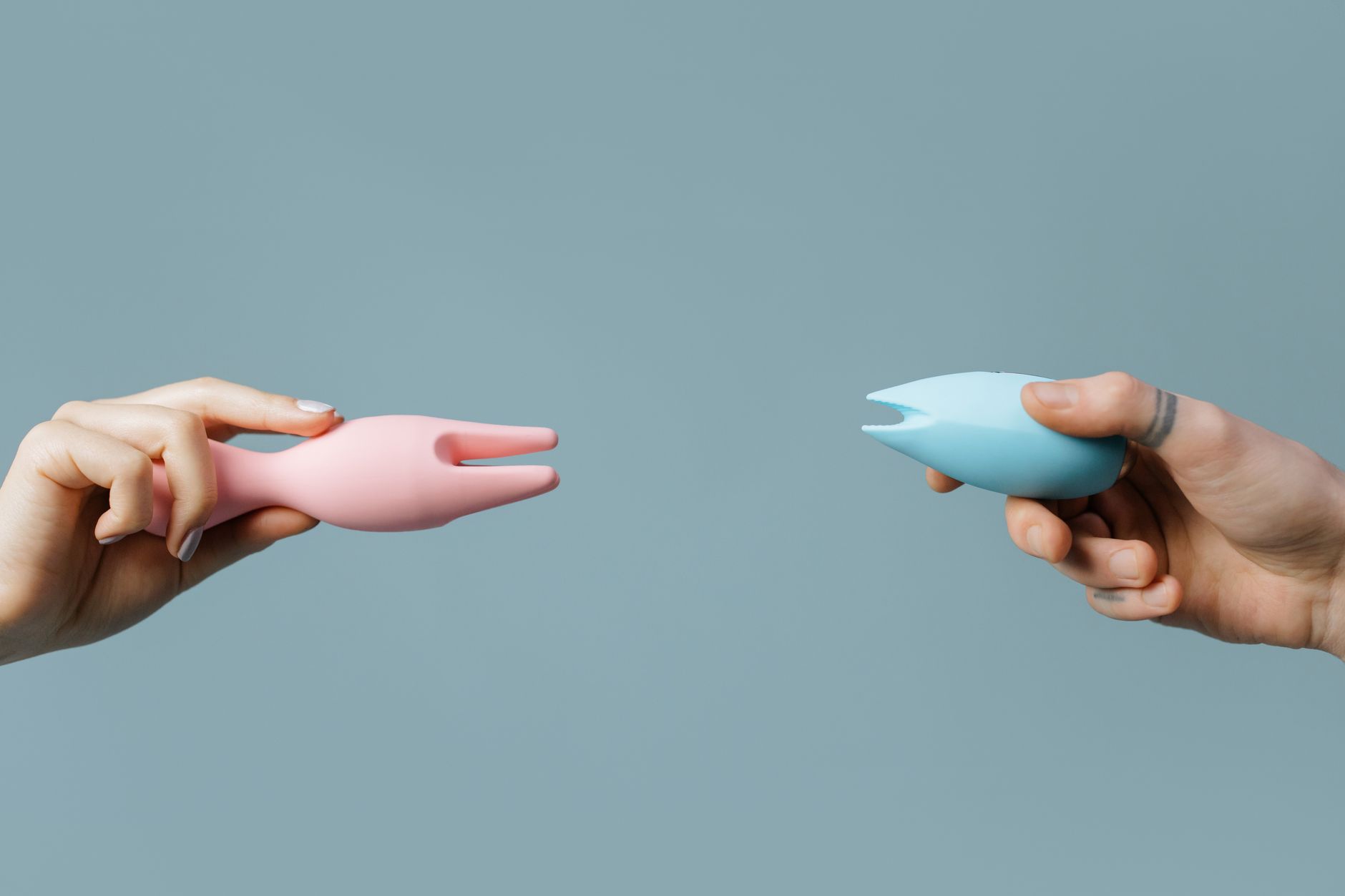
Photo by cottonbro studio on Pexels
Stop whenever it stops feeling good. There's no finish line. If you engage with lemon vibrators or any kind of pleasure and halfway through it shifts, that's permission to stop. Your nervous system is still learning that it's safe to rest.
The mental layer: releasing the pressure
Here's where most people get stuck. You're trying to recover from burnout, which means your nervous system is already in overdrive. Then you add pressure to feel aroused, to perform, to "get back to normal." And that pressure actually extends the recovery period.
The single most valuable thing you can do is separate the concept of "reconnecting with pleasure" from "proving you're fixed." These are different things. One is actual recovery. One is performance.
When you're burned out, your body genuinely needs permission to feel less. Not forever. For now. Pleasure during recovery might be quieter, less frequent, less intense. That's not a problem. That's appropriate to the nervous system state.
If you have a partner, this becomes a conversation. "My nervous system is recovering from burnout. During this time, I'm going to reconnect with my own pleasure at my own pace. That means I might want more time alone, or different kinds of touch, or less pressure. I'm not withdrawing from you. I'm building a foundation." That honesty changes everything.
When to consider other support
Sometimes stress isn't just circumstantial. If you've been burned out for more than six months and pleasure still feels completely absent even with patience and a lemon clitoral vibrator and alone time, a therapist trained in somatic work can help rewake the nervous system faster. That's not a failure. That's appropriate resource use.
If touch feels actively painful, or if you're having intrusive thoughts during arousal, that points to something that needs more support than vibrators alone. Those things are also treatable and worth addressing.
If your partner is pushing for a return to sexual activity on a timeline that doesn't match your nervous system recovery, couples therapy makes sense. A good couples therapist can help reframe this as a team effort rather than a performance.
FAQ
How long does it usually take to rebuild arousal after prolonged stress?
Most people notice shifts within four to eight weeks of consistent, pressure-free engagement with pleasure. But "consistent" doesn't mean daily. It means regular. Maybe two or three times a week with a lemon vibrator, no expectations. Full nervous system recovery can take longer, especially if the stressor is still present. If you're still in the burning situation (the job, the family dynamic), arousal recovery will be slower because your system is still in protection mode.
Can using a lemon vibrator too much actually make it harder to feel aroused naturally?
No. This is a common fear but it's not supported by research. What's true: if you're only using intense vibration and never giving your nervous system a chance to feel baseline pleasure, you might notice that other forms of stimulation feel less intense by comparison. That's solved by varying intensity, taking breaks, and mixing in other kinds of touch. It's not desensitization. It's just habituation, which reverses quickly.
What if my partner wants to participate in my recovery process?
That's sweet and also potentially complicated. If your partner is directly involved in the stressor (a demanding job that prevents them from sharing household load, for instance), their participation might actually increase pressure. The most helpful thing a partner can do is create the conditions for your recovery: respecting your alone time, taking things off your plate, being patient with changes in libido. If you want them involved in pleasure, that happens later, once your nervous system has settled.
Is it normal to feel nothing the first few times I use a lemon vibrator during recovery?
Completely normal. Your nervous system has been in protection mode. Sensation takes time to return. Some people describe those first few sessions as almost numb. That changes. You're sending a signal to your body that it's safe to gradually return to the sensory world.
Should I talk to my doctor about missing arousal from stress?
If the burnout or stress is medical (not just circumstantial), yes. A doctor can rule out thyroid issues, vitamin deficiencies, or medication side effects that might be contributing. But mostly, missing arousal during and after burnout is a normal nervous system response, not a medical problem. Recovery is usually about time, support, and gentle reengagement.
Can lemon vibrators help if I'm also dealing with depression or anxiety?
They can help, but they're not a replacement for treatment. Depression and anxiety are often layered on top of burnout. A lemon clitoral vibrator gives you one tool for nervous system regulation. But you'll probably benefit from therapy, movement, sleep support, and possibly medication. Use the vibrator as part of a larger recovery plan, not instead of one.
The slow, steady path back
Reconnecting with pleasure after extended stress isn't dramatic. It's gradual. It's boring sometimes. It's small shifts that add up. Some days you'll use your lemon vibrator and feel a tiny spark of something. Other days, nothing. Both are fine.
Your nervous system is learning that the emergency is over. It's learning that rest is safe. That pleasure is safe. That your body isn't under threat anymore. Lemon vibrators and other tools just give your system permission to explore that safety at its own pace.
Ready to start somewhere? Begin where you are now. No expectation. No goal. Just curious.