
Here's the thing about wanting to explore together
When your partner suggests using a vibrator, or when you do, it's almost never just about the vibrator itself. It's about permission. It's about saying "I want more with you" without having to apologize for it.
That's beautiful. It's also loaded with subtext.
Most couples stumble in the first conversation because they're anxious about what the vibrator "means." Does it mean you're not satisfied? Does it mean they're not enough? Is this a threat or an invitation? Nobody says this stuff out loud, so it floats underneath everything, making even a simple "what if we tried this?" conversation feel weirdly high-stakes.
I'm going to walk you through how to use a lemon clitoral vibrator together in a way that actually builds connection instead of accidentally triggering performance anxiety.
Starting the conversation without making it weird
First, timing matters. Not during sex. Not right after. Pick a neutral moment, maybe over coffee, when you're both relaxed and clothed. This signals that you're talking about a choice, not reacting to disappointment.
Second, lead with what you want, not what's missing. "I've been curious about exploring this together" lands differently than "I need more stimulation." One is about adventure. The other sounds like a complaint, even if it's not.
Third, be specific about why a lemon vibrator, specifically. The design matters. Clitoral vibrators like those from My Lemon Massager aren't about penetration or "replacing" partnered sex. They work with your body's natural response in ways that fingers often can't, especially as sensation changes over time. Tell your partner that. It's practical, not personal.

Photo by cottonbro studio on Pexels
If they're resistant, don't push. Ask what concerns them. Usually it's one of three things. One: they think it means you're not into them. Two: they think they're supposed to "perform" with it, like there's a right way to do this. Three: they feel defensive about their role in your pleasure. Each one needs a different response.
For the first concern, be direct. "This isn't about you. It's about what my body needs to feel good. And I want you there with me." For the second, normalize the learning curve. "Neither of us knows what works yet. We're figuring it out together." For the third, reframe it. "I want your hands, your attention, and sometimes this too. All of it, with you."
Most partners soften once they understand it's not a referendum on them.
Before the first time
Buy a lemon vibrator together if you can, or at least show your partner what you're thinking. Demystifying the object makes it less threatening. Read the instructions together. There's zero shame in checking settings, battery life, and how the thing actually works. Knowing what you're doing removes a huge chunk of first-time anxiety.
Talk about logistics. How much time do you want? Are you using it during sex or before? Do you want your partner to hold it, or do you? There's no right answer, but deciding in advance stops awkward pauses mid-moment when someone's suddenly unsure.
Discuss comfort levels. Is penetration happening, or just external stimulation? How much control do you want over the intensity? What's the exit strategy if someone wants to stop? None of this needs to be clinical. You're just building a basic map so nobody's blindsided.
Get lube. Water-based, always. Even if you don't usually need it, having it on hand removes pressure to "perform" a certain way. It also signals to your partner that this is about your shared pleasure, not about proving anything.
The first time you actually use it together
Start slow. You're both nervous. That's normal and actually fine. Nerves mean you care about getting it right.
Begin with foreplay as you normally would. Let your body warm up. Your partner should stay involved. This is not the moment for them to sit back and watch like it's a show. They can touch you, kiss you, be present in the way that makes sense for both of you.
When you introduce the lemon vibrator, do it gradually. Start on the lowest setting. Show your partner where it feels good. Let them apply it if you're comfortable with that. If not, hold it yourself and narrate what feels good so they're still part of the experience.
The goal isn't to reach orgasm. I know that's counterintuitive, but it's true. The first time, the goal is to discover what feels good and to build comfort with the sensation together. If an orgasm happens, wonderful. If not, that's okay. You're collecting information.
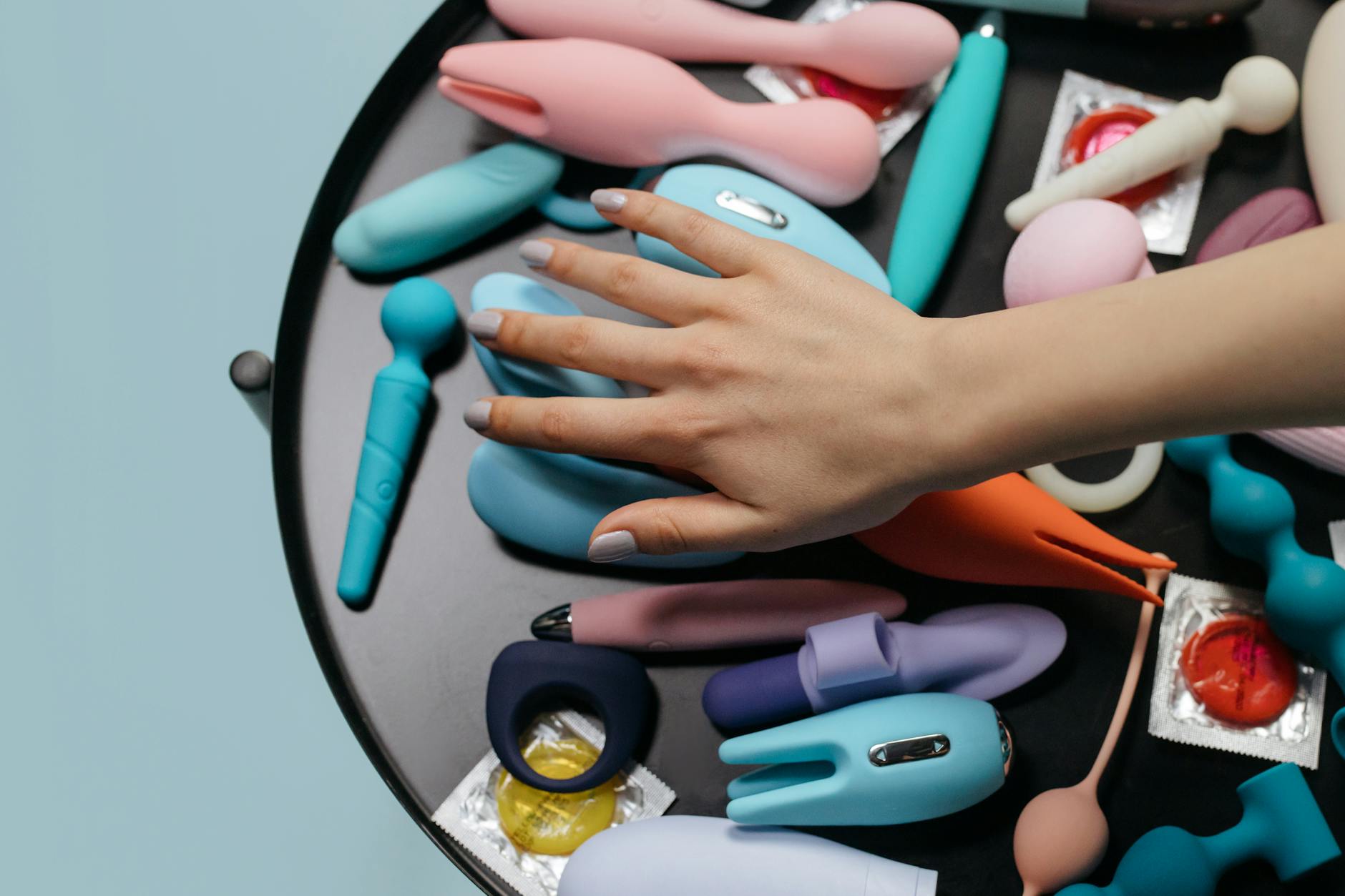
Photo by cottonbro studio on Pexels
Talk during and after. "That feels amazing." "Can you move it slightly?" "I love watching your face." The communication does two things. It keeps you both present and connected, and it replaces the silence that anxiety loves to fill.
Common speed bumps and how to handle them
You feel self-conscious. Your body is doing something visible and new. That's a vulnerable moment. Your partner's job right now is to stay present and keep touching you, keep making eye contact if that helps. Your job is to remind yourself that vulnerability in front of someone who cares is intimacy, not a performance.
Your partner feels left out. They might worry that the vibrator is stealing "their job." It's not. Their hands, mouth, presence, and attention are still essential. Make sure they know that. Lemon clitoral vibrators work best alongside partner involvement, not instead of it.
The sensation feels overwhelming. You can turn down the intensity or stop entirely. No one gets to push through discomfort "for the sake of trying." If it doesn't feel good, it doesn't feel good. That's information, not failure.
You don't orgasm. Honestly? Most people don't the first time they use a new toy, especially with someone else in the room. Takes a few tries to figure out the angle, the pattern, what your body actually responds to. You're learning. This is normal.
Building the pattern after the first time
Once you've tried it once, the pressure drops significantly. You both know what to expect. The vibrator becomes less of a "special occasion thing" and more of a regular option.
As you use lemon sexual toys together over time, you'll discover what works for your bodies and your dynamic. Maybe you use it during certain kinds of sex and not others. Maybe your partner loves applying it. Maybe you prefer handling it yourself and they provide stimulation elsewhere. Maybe you rotate in and out of different lemon adult toys depending on what you're in the mood for.
The key is that you're experimenting together. That's a form of intimacy in itself. You're saying yes to curiosity, yes to exploring what feels good, yes to building pleasure as a shared project.
That matters more than the vibrator.
When to ask for outside help
If you're consistently uncomfortable or if your partner remains resistant after honest conversation, that's worth exploring with a therapist who specializes in couples and sexuality. Sometimes resistance points to deeper relationship dynamics that have nothing to do with the vibrator itself.
If you're unsure about technique or comfort, sex educators and couples therapists can offer practical guidance. There's no shame in that. You're not supposed to know this stuff instinctively.
FAQ
Can we use a lemon vibrator even if one of us isn't that into it at first?
Yes, but approach it as curiosity rather than expectation. The person who's hesitant gets to set the pace. That means they can pause, pass, or stop without consequences. Pressure kills pleasure. Once someone feels safe experimenting, they often soften. When they don't, that's valid too.
How do we talk about what we liked and didn't like afterward?
Same way you'd talk about anything that matters. Gently, specifically, and without judgment. "I loved how connected we felt" is different from "I didn't like the setting on level 3 for long." Be factual about sensation and emotional. Avoid "that didn't work" and opt for "let's try a different angle next time."
What if my partner wants to use it alone first?
That's actually smart. Using a lemon vibrator solo removes the performance aspect and lets them understand the sensations on their terms. They might feel more comfortable introducing it to partnered sex once they know how it works on their body.
Does using a vibrator mean our sex life is in trouble?
No. In fact, couples who explore together often report feeling more connected, not less. Tools that help you feel pleasure aren't a sign of dysfunction. They're a sign you're paying attention to what feels good and you want to share that with each other.
How do I know if we're using it "correctly"?
There is no correct. You're using it correctly if it feels good and you're both consenting. That's it. Your body isn't graded. Your pleasure isn't being scored. The only metric is whether it feels good to you.
What if one of us finishes way before the other?
That's always true, lemon vibrator or not. The solution isn't different. One of you might continue, one might pause, you might switch activities. Communication is what matters. "What do you want to do now?" opens up options instead of creating awkward transitions.
The bottom line
Using a lemon clitoral vibrator with your partner isn't about adding novelty or fixing something broken. It's about expanding what's possible together. It's about saying yes to each other's curiosity and yes to pleasure as something you build, not something that just happens to you.
That's worth the awkward first conversation. That's worth trying.
If you want to dig deeper into partner communication around pleasure, read our guide on how to talk to your partner about using lemon vibrators together. And if you're navigating mismatched desire or energy, we've got practical advice for when you and your partner have different sex drives.
Your pleasure matters. Your partner's matters too. You both deserve to explore that together.