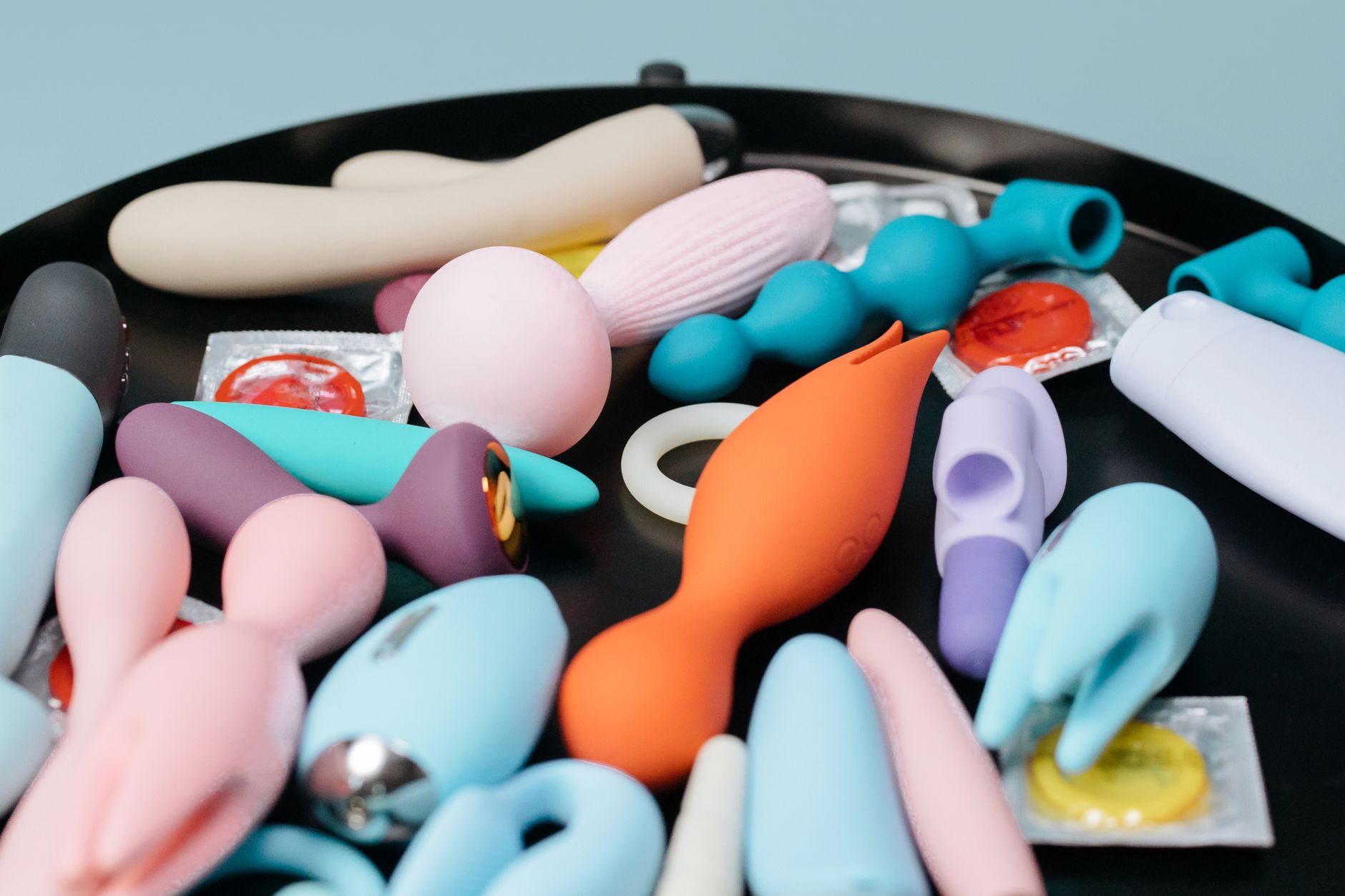
Here's the thing about breakups and pleasure
After a relationship ends, your body can feel like a stranger's. You've spent months or years calibrating your arousal around someone else's rhythm, their preferences, their timing. Then suddenly that context is gone, and you're left alone with the physical sensations you used to share.
Many people find that returning to solo sex after a breakup doesn't feel like coming home. It feels like showing up to an empty house and realizing you've forgotten where you keep the lights. That's normal. And it's exactly where a lemon vibrator comes in.
Why solo exploration matters after a split
A breakup is an unwanted reset, but it's also an accidental invitation. You get to rediscover what feels good in your body without performing for anyone else, without worrying about matching someone else's expectations, without the weight of shared history in the room.
This is radical. Most people spend their entire sexual lives partly calibrating around a partner. The pressure to keep things interesting for them, to want sex when they want it, to orgasm on a schedule that works for the relationship's rhythm. It's not conscious most of the time, but it's there.
When that pressure lifts, pleasure becomes simpler and, weirdly, more complicated at the same time. Simpler because you're only managing your own arousal. More complicated because you have to actually figure out what that is.
Why lemon vibrators work especially well for solo reconnection
I recommend lemon clitoral vibrators to clients rebuilding their solo practice after a breakup for three specific reasons.
First, the technology is direct without being aggressive. A lemon vibrator uses air-suction technology rather than traditional vibration. This means you get sustained, focused stimulation on the clitoral area without the numbing effect that can happen with intense buzzing. After a breakup, when your body might feel disconnected or numb, that gentler, more sustained sensation often feels more connective than powerful vibration.
Second, the learning curve is forgiving. These vibrators have multiple intensity settings. You're not starting at a jarring buzz level. You begin at pattern 1 or 2, where the sensation is almost meditative. This matters because after a breakup, your nervous system is often dysregulated. Starting with gentler intensity helps you stay present rather than jumping into heavy sensation and dissociating.
Third, the shape and size matter psychologically. A lemon vibrator is smaller and less intimidating than a wand or rabbit. Psychologically, picking up something less "serious" makes it easier to return to solo pleasure when you're grieving. It feels like an invitation to explore rather than a commitment to "get back on the horse."
How to set yourself up for real reconnection
Using a lemon vibrator after a breakup isn't just about the mechanics. The environment and your mindset matter as much as the tool itself.
Create a non-performance space. This sounds obvious, but many people skip it. Set aside time when you're genuinely alone and won't be interrupted. Close the door. Put your phone in another room. Tell yourself explicitly that the goal is not an orgasm. The goal is feeling your own body respond to stimulation. That sounds small, but it's foundational.
Start without the vibrator. Spend 10 to 15 minutes just touching yourself. No agenda. Notice where sensation feels good, where your body is numb or defensive, where you naturally want more attention. This is data. You're not performing; you're gathering information about your own nervous system.
Introduce the vibrator on the lowest setting. Start with pattern 1 or 2. Hold it against the external clitoral area for 30 seconds. Then pull away. Wait. Touch it again. This isn't about building toward climax. It's about rebuilding the connection between stimulation and sensation in your own nervous system.
Expect the process to feel awkward. This is not a sign you're doing it wrong. After months of sex being partnered, solo touch can feel genuinely weird. You might feel self-conscious. You might feel nothing at all. Both are signs that you're in the process of reconnecting, not that something is broken.
The emotional layer (which is the real layer)
Pleasure after a breakup isn't just physical. Your grief is in your body. The loss of physical intimacy, the absence of touch you were used to receiving, the weirdness of being the only person in bed. These things live in your nervous system as much as the breakup itself.
Solo sex with a lemon vibrator becomes a way of saying to your body, "I'm still here. You still deserve attention. You still deserve to feel good." That might sound abstract, but it's genuinely why lemon clitoral vibrators work so well therapeutically. The sustained, gentler stimulation actually gives your nervous system time to register that this touch is safe and that pleasure is possible without a partner present.
Some clients report that their first solo orgasm after a breakup feels different. Less intense, sometimes. But also cleaner. Less tangled up in the other person's memory. That's the psychological reset happening in real time.
When to increase intensity (and when to back off)
Once you've spent a week or two reconnecting at patterns 1 and 2, you can experiment with moving up the intensity scale. But here's the key: move up only when lower intensity feels boring, not when you feel pressure to escalate.
If you find yourself jumping to higher settings to "make it work," that's often a sign you're still in performance mode. You're trying to force an orgasm on a timeline rather than letting sensation build naturally. Dial it back. Spend more time at lower intensities.
Conversely, if pattern 2 stops feeling like enough after consistent use, moving to pattern 3 or 4 is completely normal and doesn't mean you're broken or becoming numb. Your nervous system adapts. The vibrator is a tool, not a fixed quantity of pleasure you have to ration.
The grief you might feel during pleasure
This one catches people off guard. You're using your lemon vibrator, sensation is building, and suddenly you feel sad. Or angry. Or you remember something specific your ex used to do, and it stings.
Don't stop. Don't suppress it. Let the emotion move through you while the stimulation is happening. Your body is integrating the loss. This is actually the point. Solo pleasure after a breakup is, in part, about grieving the physical intimacy you're not going to have with that person anymore. When emotion surfaces during stimulation, you're doing the work correctly.
Many clients find that the first time they allow themselves to feel sadness while also experiencing pleasure, something shifts. You realize that your sexuality isn't defined by that relationship. Your body's capacity for pleasure is yours alone.
Practical logistics for solo sessions
Keep your lemon vibrator and a bottle of water-based lubricant in your bedside drawer, clean and ready. You'll want to use lube even when you're aroused. Solo exploration often benefits from more consistent lubrication than partnered sex because you're controlling the intensity yourself, and a little extra slickness helps sensation feel more connected rather than rubbing.
Set a timer for 20 to 30 minutes if you struggle with self-consciousness. Knowing you have a fixed window actually helps. You're not "supposed to" achieve anything in that time. You're just present.
Don't use your lemon vibrator when you're exhausted, drunk, or in a complicated emotional headspace where you're trying to numb out. Those are times to rest instead. The goal is reconnection, not escape.
When to expect real progress
Most people report that solo pleasure starts to feel genuinely good again somewhere between three and six weeks of consistent practice. Not because anything is magically fixed, but because your nervous system has integrated the idea that pleasure is possible without a partner, that your body still responds, that you can take care of yourself.
By week eight, many clients describe their solo practice as actually better than it was in the relationship. Less performance pressure. More presence. Longer sessions. Easier orgasms. That's not recovery; that's growth.
A note on shame
If you feel shame around using a lemon vibrator solo after a breakup, that's worth examining. Some of that shame is probably inherited. Messages about female sexuality that suggest masturbation is a consolation prize rather than a genuine practice. It's not. Solo pleasure is foundational. The relationship was the addition, not the base.
Using a tool like a lemon vibrator to reconnect with your body after a breakup is not sad or pathetic. It's practical self-care. It's reclaiming something that was destabilized. And honestly, it often leads to better partnered sex later because you've actually done the work of understanding your own arousal.
Moving forward
Breakups hurt. The loss of physical intimacy is real and doesn't disappear on a timeline. But rebuilding your capacity for solo pleasure is one of the most concrete, practical ways to tell your nervous system, "We're going to be okay. Your body still deserves to feel good." A lemon vibrator is just a tool. But it's a tool that lets you practice that belief until your body actually believes it too.