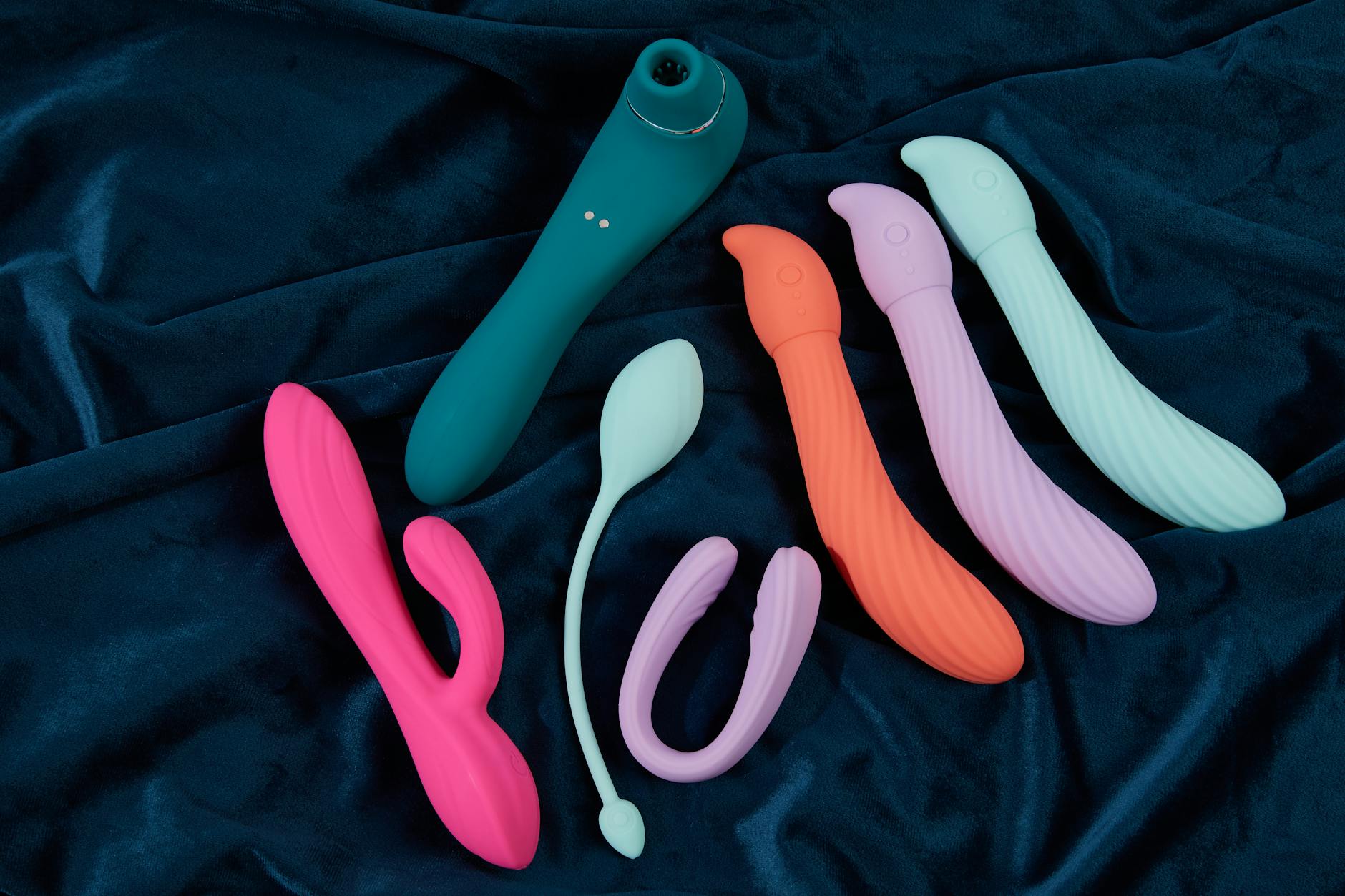
Here's the thing about sensation loss
Numbed or hard-to-reach pleasure is not a moral failing. It's a signal. Your body is telling you something changed—hormones shifted, medications kicked in, anxiety got louder, or you've simply worked the same neural pathways so long they stopped firing as eagerly. This is salvageable. A lemon vibrator, used thoughtfully, is often the key.
I see this pattern constantly in my practice. Someone's been using the same approach for years, pleasure starts feeling distant, and they assume they're broken. They're not. They're just using the wrong tool for their current body.
Why sensitivity loss happens (and it's fixable)
Sensation changes for three main reasons. First, repetitive stimulation can create adaptation—your nerve receptors literally respond less to the same input over time. Second, hormonal shifts (especially after 40, or with certain medications) thin vaginal tissue and reduce blood flow to the clitoris, which dampens sensation. Third, psychological factors—stress, relationship friction, body image—create a kind of numbing that feels physical but lives in your nervous system.
The reason a lemon vibrator often works better than what you've been using isn't magic. It's engineering. Unlike wands or traditional vibrators, the suction-based stimulation of a lemon clitoral vibrator engages nerve tissue differently. It pulls and massages instead of hammering. For people with reduced sensation, that gentler-but-deeper approach often wakes things up faster than brute force intensity.
The warm-up matters more than you think
If sensitivity is low, your arousal window is probably narrower. Budget time. This isn't foreplay theater for a partner. This is real physiological preparation. Spend 10 to 15 minutes on non-clitoral touch first. Neck, breasts, inner thighs, the fold where thigh meets torso. The goal is to pull blood toward your genitals and activate the parasympathetic nervous system, which is what lets pleasure actually register.
Then, before you pick up the lemon vibrator, use your fingers or a partner's touch for another five minutes on the clitoris itself. Light, slow circles. You're not trying to come. You're teaching sensation to show up again. This matters more when sensitivity is compromised.
Photo by SHVETS production on Pexels
The lemon sucker technique for reduced sensation
Start on the lowest setting. I mean the lowest one your device offers. Most lemon clitoral vibrators have 3 to 5 intensity levels—begin at level 1. The temptation with numb sensation is to go harder immediately. Resist this. Your nervous system needs to remember what sensation feels like at baseline before you escalate.
Position the cup part of the lemon vibrator so it creates a light seal around the clitoris, not pushed hard against it. The seal is what creates suction, and suction is doing the work—not pressure. If you're pressing it in forcefully, you're defeating the mechanism. Let the device sit gently and let the suction pull slowly.
Stay at level 1 for at least three to five minutes, even if nothing feels like it's happening. Your body is waking up. Then move to level 2. Spend another three to five minutes here. The progression matters. You're not trying to rush to orgasm. You're retraining sensation.
Why lubrication changes the game
This is non-negotiable. Even if you normally self-lubricate well, add lube when sensitivity is compromised. Water-based, always, because silicone lube can degrade silicone toys. Lube reduces friction, which means the suction of a lemon vibrator can work more effectively without the clitoral tissue getting irritated.
When sensation is low, micro-irritation goes unnoticed—but it stacks. You don't feel pain, so you push harder, and suddenly you've created inflammation without knowing it. Lubrication prevents this entirely. Use more than you think you need. It's cheap insurance.
The positioning shift that changes everything
Most people use a lemon vibrator straight-on, directly on the clitoris. That's fine for baseline pleasure. For sensitivity recovery, try tilting slightly. Angle the cup so it's stimulating the upper left quadrant of the clitoris, then the upper right, then slightly lower. You're not moving the device constantly—stay in each position for 30 seconds to a minute, then shift.
The clitoris has 8,000 nerve endings, but they're not evenly distributed. Some zones are more sensitive than others. When overall sensation is muted, finding the micro-zones that still have good feeling can unlock things. You're mapping your own responsiveness.
Session length and the patience factor
When sensitivity is compromised, orgasm might take 20, 30, or even 45 minutes. Plan for this. Don't set a mental deadline. The pressure to come quickly is often what's keeping sensation locked down anyway. Set a timer for 45 minutes, commit to the time, and let whatever happens happen.
If you don't orgasm, you didn't fail. You reactivated nerve pathways and you'll notice the benefit next time. Pleasure recovery isn't linear. Some sessions will feel amazing. Others will feel like you're doing nothing. Keep going anyway.
When medication or hormones are the culprit
If you started antidepressants or hormonal birth control around the time sensation dulled, talk to your doctor. Orgasmic dysfunction is a known side effect of SSRIs and some contraceptives. There are usually alternatives or dose adjustments that can help. A lemon vibrator is an excellent tool while you figure that out, but it's not a replacement for medication adjustment if that's what's needed.
If hormonal changes are the issue—especially post-menopausal or post-pregnancy—topical estrogen cream can restore tissue thickness in four to eight weeks. That, combined with the right lemon clitoral vibrator technique, often completely resets sensation.
The mental piece you can't skip
Low sensation often arrives with low confidence. You start believing your body is broken, so you stop trying, which makes sensation actually lower. Breaking this cycle requires permission to be in your body without judgment. That might sound soft, but it's real neuroscience. Shame and anxiety literally suppress genital blood flow and orgasmic response.
When you're using a lemon vibrator to rebuild sensation, pair the physical technique with mental permission. Notice what your body is doing without editing it. If your mind wanders, bring it back gently to sensation—the vibration, the warmth, the pressure. This is a form of mindfulness that directly improves pleasure recovery.
A partner's role (if applicable)
If you're with someone, tell them what you're doing and why. Sensitivity recovery is faster and easier if your partner understands it's not about them and it's not about spontaneity. It's about intentional reconnection with your own body. Some people find that having a partner present—reading nearby, or sometimes touching you—creates enough psychological safety that sensation comes back faster.
Others do better alone. There's no wrong answer. The only requirement is honesty about what helps.
FAQ
How long does it take for sensitivity to return using a lemon vibrator?
Three to eight weeks of consistent use, two to four times weekly. Some people notice shifts in the first week. Others need a month. The key is consistency, not intensity. You're retraining your nervous system, which takes time.
Can I use a lemon vibrator if I'm completely numb?
Yes, but start smaller. If standard clitoral stimulation feels like nothing, you might benefit from beginning with a lemon vibrator on the outer labia or the clitoral hood (the skin covering the clitoris). This is slightly less intense and can help sensation register at all. Gradually work inward as feeling returns.
Is it normal for sensation to feel different on one side of the clitoris?
Completely normal. The clitoris is asymmetrical. Most people have a more sensitive left or right side. A lemon clitoral vibrator lets you explore these micro-variations and focus on what actually works for your anatomy.
Should I combine a lemon vibrator with other methods to rebuild sensation?
Absolutely. Kegels, pelvic floor releases, meditation, lubrication, hormonal review, and mental permission all work together. A lemon vibrator is the most efficient tool, but it's not the only one. If you're using <a href="/blog/why-lemon-vibrators-need-extra-lubrication-after-hormonal-shifts">extra lubrication after hormonal shifts</a>, you're already combining approaches correctly.
What if a lemon vibrator doesn't help after eight weeks?
Talk to a sex-positive gynecologist or pelvic floor physical therapist. Sometimes sensitivity loss points to something else—pelvic floor tension, nerve damage, or an unaddressed hormonal issue. A professional can help rule out what's actually happening. The <a href="/blog/lemon-vibrator-sensitivity-adjustment-after-years-of-use">sensitivity adjustment after years of use</a> guide has more resources.
Can I rebuild sensitivity while in a relationship?
Yes. In fact, some research suggests that dedicated solo exploration actually strengthens couple intimacy because you return to partnered sex with better self-knowledge. <a href="/blog/how-lemon-clitoral-vibrators-help-rebuild-intimacy-after-infidelity">Rebuilding intimacy with a lemon vibrator</a> often means rebuilding yourself first.
The bottom line
Numb sensation is not permanent. Your body hasn't betrayed you. It's just using an old playbook. A lemon vibrator, combined with patience, the right technique, and genuine permission to explore at your own pace, works because it meets your current body where it actually is. The path back to strong orgasms exists. You just need the right tool and the right approach.