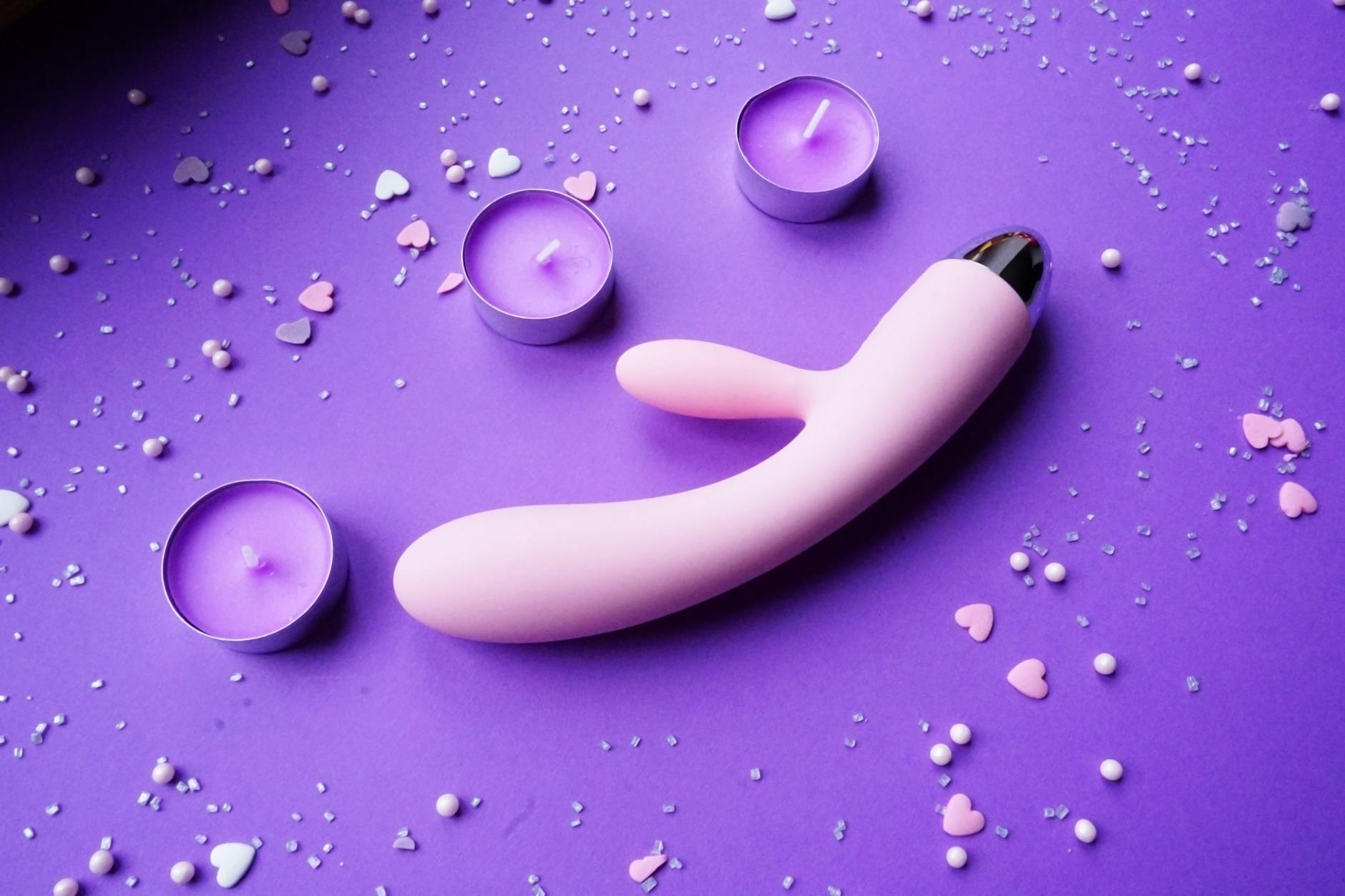
Vaginal dryness changes the game. But the game doesn't end.
Honestly, dryness is one of the most misunderstood obstacles to pleasure. People assume it means sensation dulls or orgasms become impossible. Neither is true. What actually happens is that the tissues thin, friction changes, and your body's response rhythm shifts. A lemon vibrator still works beautifully. You just need to work with your body instead of against it.
I've worked with dozens of clients navigating dryness from hormonal shifts, medications, stress, or simple aging. The ones who adapt their approach don't lose pleasure. They often find deeper, more intentional satisfaction than before.
Why dryness affects vibrator use differently
The clitoris itself doesn't dry out the way vaginal tissue does. But here's what changes: the surrounding tissue thins, nerve sensitivity can feel sharper without lubrication cushioning it, and arousal responses take longer to build. This means that a lemon vibrator setting that felt perfect six months ago might now feel too intense or cause discomfort.
It's not that your pleasure capacity drops. It's that the pathway has a detour. Once you know the detour, you get there just fine.
The good news about clitoral vibrators like the lemon sucker design is that they don't require the intense friction that penetrative pleasure sometimes does. Air-suction technology stimulates through gentle pressure rather than direct grinding, which means you can control intensity more precisely. For people with dryness, this is actually an advantage.
The lubrication strategy that changes everything
Lubrication isn't a workaround. It's a tool that fundamentally changes what's possible.
Water-based lube is the standard recommendation for vibrators because it won't degrade silicone the way oil-based lubes do. But here's the practical reality: during dryness, you need more of it, and you need to reapply it mid-session. This isn't a flaw in your body. It's just how tissue responds when natural lubrication is lower.
Here's my recommendation. Before you even turn on your lemon vibrator, apply lube generously around the entire vulva. Not just the clitoris, but the surrounding skin. This serves two purposes: it reduces friction on sensitive tissue and it helps the suction sensation feel more integrated into your whole body rather than hyper-focused on one spot.
Then, keep extra lube within reach. Reapply every 5-10 minutes during longer sessions. This feels like a minor maintenance task until you realize it's the difference between feeling uncomfortable and feeling incredible.
Choose a lube that feels rich and stays slippery. Cheap, watery lubes evaporate quickly and leave you starting over. Silicone-free options work with the vibrator itself, and they tend to feel more luxurious on sensitive tissue.
Starting with lower intensity settings
This is the single most important adjustment people miss. If you've been using your lemon clitoral vibrator on settings 4-6, try starting at 1-2 and building from there. This isn't permanent. It's temporary recalibration.
Why? Thin tissue is more sensitive to vibration alone. Without lubrication cushioning, setting 5 can feel like setting 8 used to. Starting lower means you're not overwhelmed before arousal even begins. As blood flows to the area and sensitivity settles, you can increase intensity.
The pattern settings matter too. If your lemon vibrator offers different rhythms, try the gentler, more sustained patterns first. Rapid pulsing can feel sharp on thin tissue. Slower, deeper patterns tend to feel more grounded and pleasurable.
How to build arousal when dryness slows you down
Dryness often pairs with slower arousal buildup. Budget more time. This isn't longer because something's broken. It's longer because your body needs space to warm up.
Instead of jumping straight to your vibrator, spend 10-15 minutes with other forms of stimulation first. Touch yourself with your hands. Notice what feels good. Let blood flow increase naturally. This preps tissue and gives lubrication time to distribute.
Then introduce the lemon vibrator at a low setting. Let yourself spend another 10 minutes just exploring sensation before trying to climax. This reframes the session from efficiency-focused to sensation-focused, which paradoxically makes orgasm easier to reach.
When to use your lemon vibrator solo versus with a partner
If you're managing dryness with a partner, here's something worth discussing: sometimes solo exploration is more useful first. When you're alone, there's no performance pressure, no need to coordinate timing, and no self-consciousness about needing more lube or more time.
I often recommend clients spend 2-3 solo sessions figuring out what settings work with their current body, what lubrication amounts feel right, and what the new pleasure pathway feels like. Then you bring that knowledge into partnered time.
With a partner, communication matters more than usual. "I need more lube" isn't a critique of your partner. It's practical information. "Let's spend longer on buildup" is a preference, not a complaint. Separating sensation data from emotional meaning keeps both conversations on track.
Partners can also help by taking pressure off. If you're both in the mindset that you're experimenting and learning, dryness becomes a puzzle to solve together rather than a problem one person is failing to overcome.
Timing your lemon vibrator sessions strategically
Dryness isn't always consistent. Some days are drier than others. Some times of the month feel different. Some times of day offer better lubrication than others.
If you're managing dryness from hormonal shifts, you might notice that certain times of day feel more responsive. For some people, morning is best. For others, evening works better after the body has had time to wake up. Pay attention to your pattern.
If dryness is medication-related, talk with your prescriber about timing. Some medications are taken at specific times for a reason, but sometimes there's flexibility. A small change in timing might shift when your body feels most lubricated.
Don't fight your body's natural rhythm. Work with it. Use your lemon vibrator when conditions are most favorable.
The recovery conversation nobody mentions
After a session with dryness, your tissue might feel slightly tender. This is normal and usually subsides quickly. But it's worth protecting that area. Wear cotton underwear. Skip tight pants for an hour or two. Let your skin breathe.
If you experience pain during use or soreness afterward that lasts more than a few hours, scale back intensity and lubrication volume. You're calibrating. There's no shame in discovering your threshold is different than it used to be.
Some people benefit from a topical moisturizer after sessions. Not a lube for stimulation, but a nourishing product applied afterward to support tissue recovery. This is especially true if you're having sessions several times a week.
Your body's signals matter. Pleasure should never involve pain. If you're experiencing anything beyond minor tenderness, it's worth checking in with a provider.
When dryness is a bigger medical picture
If lubrication and technique adjustments help somewhat but pleasure still feels significantly limited, consider whether dryness is part of a larger pattern. Genitourinary syndrome of menopause, certain medications, or chronic conditions can all affect lubrication in ways that technique alone can't solve.
A conversation with your doctor or gynecologist isn't admitting defeat. It's gathering information. Topical estrogen creams, systemic hormone therapy, or other treatments can genuinely transform what's possible. Plenty of people find that combining a medical approach with technique adjustments gives them the best results.
You deserve pleasure that feels easy, not just possible. Sometimes that means professional support alongside your lemon vibrator.
FAQ: Your questions answered
Can I use silicone-based lube with my lemon vibrator?
No. Silicone lubes degrade silicone toys over time, including your lemon clitoral vibrator. Stick with water-based options. They're easier to clean off anyway, and they generally feel better on sensitive tissue during dryness.
How much lubrication is actually enough?
More than you probably think. Start with a generous application around the entire vulva, not just the clitoris. For longer sessions, keep extra lube within arm's reach and reapply every 5-10 minutes. Lube evaporates and gets absorbed. This is completely normal.
Does dryness mean I'll never feel the same pleasure again?
Not at all. Different doesn't mean worse. Many people report that their most satisfying orgasms come after they've adapted to dryness because they're more intentional, less performance-focused, and more connected to what actually feels good. The pleasure changes shape. It doesn't disappear.
Should I use a different lemon vibrator if I'm experiencing dryness?
Your current lemon vibrator is fine. The technology itself doesn't need to change. What changes is how you use it: lower intensity, more lubrication, longer buildup. If after weeks of adaptation you still feel like something's off, exploring a different vibrator is worth discussing with Hello Nancy support.
Is it normal to need more lube than I used to?
Completely. Lubrication naturally changes throughout life due to hormones, stress, medications, and simple aging. Needing more lube isn't a sign of dysfunction. It's just information about what your body needs right now.
How do I know if dryness is temporary or permanent?
That depends on the cause. Dryness from hormonal shifts might improve, plateau, or worsen over time. Dryness from medications might improve if you change timing or doses. Dryness from aging tends to be more stable once it settles. A doctor can help you understand your specific situation and what to expect.