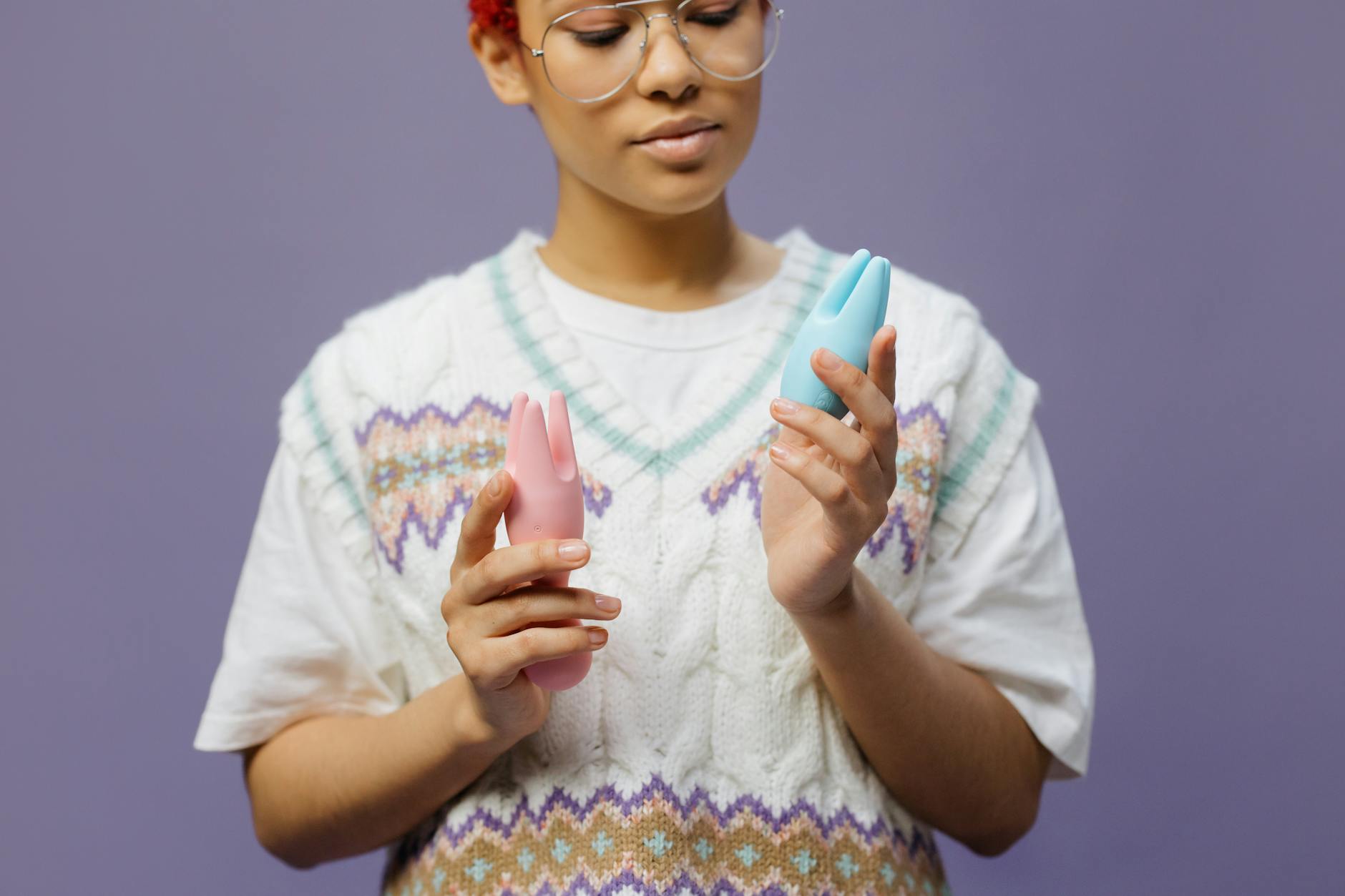
Here's what nobody tells you about lube and lemon vibrators
A lemon vibrator works differently when you don't have enough natural lubrication. That's not a failure on your body's part. It's just physics. The suction-based design of clitoral vibrators like My Lemon Massager's lemon sucker needs a bit of moisture to create that seal and the sensation you're looking for. Without it, you feel pressure instead of pleasure.
The good news: this is wildly fixable. It's not about broken arousal or something wrong with you. It's about matching the tool to the conditions.
Why lubrication matters more with lemon vibrators than traditional vibration
Regular vibrators rely purely on oscillation. They work okay dry. A lemon clitoral vibrator works through gentle suction, which requires a thin layer of moisture between the device and your skin to function as designed. Without it, the sensation goes flat.
Several things can reduce natural lubrication. Hormonal shifts (particularly around your cycle, during medication changes, or in perimenopause), dehydration, stress, antihistamines, and even the time you have available to warm up. Long-term hormonal contraception can also thin the tissue and reduce how much fluid you produce.
The clinical term is "reduced vaginal lubrication," but let's just say: your body isn't making enough moisture to enjoy the suction sensation fully.
The lubricant hierarchy for lemon vibrators
Not all lubes work equally well with silicone toys. Here's what you need to know.
Water-based lubricants: your go-to. Water-based lubes are compatible with every toy material, they absorb into skin naturally, and they won't degrade silicone. My recommendation: start with a high-quality water-based lube. Brands matter here. Cheap water-based lubes dry out fast and feel sticky. Spend the extra £8-12 for something that feels slick for 20+ minutes.
Silicone-based lubes: rich but risky. Silicone lube feels luxurious and lasts longer than water-based. The problem: if your lemon vibrator is silicone, silicone lube can degrade the material over time. Save silicone lube for glass or stainless steel toys only.
Oil-based lubes: generally avoid. Coconut oil sounds natural and feels great, but it's difficult to wash out, can trap bacteria, and degrades latex (if that's relevant). For lemon vibrators specifically, it's unnecessary.
Hybrid lubes: water-silicone blends. These exist but are overkill for clitoral vibrators. Stick with a good water-based option.
How to apply lube for maximum lemon vibrator sensation
Technique matters as much as product choice.
Apply to your skin, not just the toy. A common mistake is coating the vibrator head in lube. Instead, apply a small amount (about half a teaspoon) directly to your clitoris or the surrounding area. Then bring the vibrator in. Your natural skin warmth will activate the lube faster.
Build your own barrier layer. If you're producing very little moisture, create a thin seal between your skin and the suction cup. Smooth, continuous contact is what makes the sensation work. Gaps break the suction.
Warm up longer before using the vibrator. Lubrication increases with arousal. Spend 10-15 minutes on mental foreplay or other touch before introducing the toy. This isn't wasted time. It's foundation-building.
Use layers strategically. If your first application dries out after a few minutes, don't panic. Keep your lube within arm's reach and reapply as needed. This isn't a sign you're doing it wrong. It's how bodies work sometimes.
Positioning and pressure adjustments when lube is low
If you're working with reduced natural moisture, small changes to how you use your lemon vibrator will transform the experience.
Lower the intensity to start. Begin on pattern 1 or 2 instead of jumping to 3 or 4. A gentler suction motion is easier to manage when you have less natural lubrication. As you warm up and add more lube, increase intensity.
Angle for indirect stimulation. Direct clitoral contact can feel uncomfortable without enough natural lubrication. Try angling the vibrator slightly so you're stimulating the mons pubis or the sides of your clitoris. This spreads sensation and reduces friction.
Keep movement slow. Fast, aggressive motions without enough slip will feel raw. Slower application of the suction gives your skin time to respond and your arousal time to build.
Expect longer warm-up time overall. If lubrication is low, your arousal pathway might take longer to fully activate. That's not a problem. It's just the reality of your body right now. Budget 25-30 minutes instead of 15.
When to revisit the underlying cause
Short-term lubrication dips are normal. Extended patterns of low lubrication deserve attention.
If you've noticed a significant drop in natural lubrication alongside other changes (hot flushes, sleep disruption, mood shifts), you might be in perimenopause or early menopause. A conversation with your GP about hormone screening is worth having. Hormonal support can help.
If you're on antidepressants or antihistamines, talk to your doctor. Sometimes switching timing or dosage improves sexual response without abandoning the medication that helps your mental health.
If stress or relationship tension has spiked, lubrication often follows that. The mind-body connection is real. You might benefit from conversations with your partner or a therapist before (or alongside) mechanical solutions.
Building a lube routine that actually works
Make this automatic, not stressful.
Keep your lube next to your bed, not in a drawer upstairs. The easier it is to access, the more likely you'll use it consistently. A 100ml bottle lasts months.
Try different water-based lubes if your first choice feels off. Thickness, glide, and how long it lasts vary between brands. There's no universal "best." There's only best-for-you.
Reapply guilt-free. Lubrication drying out isn't a sign of failure. It's biology. Topping up is normal. Many people using lemon clitoral vibrators find that reapplication midway through feels natural and improves the final experience.
Consider pairing with longer foreplay or partnered touch. If reduced lubrication is connected to not having enough time for arousal buildup, the fix isn't just lube. It's protecting time and attention for pleasure.
The connection between sensation and lubrication
Let's be direct: when you use a lemon sucker with appropriate lubrication, the sensation changes dramatically. You'll feel the suction more clearly, the intensity feels more pleasurable rather than uncomfortable, and orgasm builds more naturally.
This isn't you discovering that you "needed" a product fix. It's you learning how your body performs best under certain conditions. That knowledge is powerful. You're not broken. Your lemon vibrator isn't faulty. You've just identified a variable that makes a difference.
The goal isn't to force an experience that doesn't work. It's to adjust your approach until pleasure feels accessible again.
FAQ
Can I use saliva as a lubricant for my lemon vibrator?
Technically yes, practically no. Saliva dries quickly and doesn't provide sustained slip. If you're in a pinch, it's better than nothing, but it's not a sustainable solution. A proper water-based lubricant costs £10-15 and lasts for months.
How much lube should I use with a lemon clitoral vibrator?
Start small. A dime-sized amount applied directly to your clitoris is enough. You can always add more. Too much lube can reduce the suction sensation slightly because it creates a thicker barrier. Find your sweet spot through experimentation.
Does reduced lubrication mean my arousal is broken?
No. Lubrication and arousal are connected but separate. You can be genuinely aroused mentally while producing less natural moisture due to hormones, medications, stress, or plain anatomy. Adding lubricant bridges that gap without treating your arousal as the problem.
Is low lubrication a sign I'm not attracted to my partner?
Not necessarily. Lubrication responds to hormones, stress, hydration, medications, and arousal time as much as it responds to attraction. If lubrication is low across all contexts (solo and partnered), it's more likely physiological. If it's specifically low with your partner, that's worth exploring in conversation or with a couples therapist.
Can I use the same lubricant for lemon vibrators and other toys?
Yes, as long as it's water-based. Water-based lubes work safely with silicone, glass, stainless steel, and other common toy materials. The only restriction is silicone-based lube on silicone toys. Stick with water-based and you're fine across your entire collection.
Should I be concerned if I need lube every time?
No. Many people produce less natural lubrication consistently. That's variation in normal human anatomy, not a deficiency. Using lubricant every time is completely fine. You're not missing out on something others have. You're using a tool that works for your body.