
Let's start with what's actually happening
Your partner isn't thrilled about the idea of a lemon vibrator. Maybe they think it means their touch isn't enough. Maybe they're embarrassed. Maybe they've never talked about pleasure openly and the whole thing feels foreign. Here's what I know after years of working with couples: hesitation isn't rejection. It's usually fear wearing a disguise.
The good news is that hesitation is fixable. But it requires a conversation that isn't about convincing them. It's about understanding what they're actually worried about.
What hesitation really signals
When a partner resists the idea of toys, they're rarely rejecting pleasure itself. What they're often resisting is:
The implication that something is "wrong." If your partner believes that good sex shouldn't need external tools, a vibrator can feel like a referendum on their adequacy. They may hear "you're not enough" instead of "we're adding something that feels good."
Loss of control. Some people associate spontaneity with real intimacy. If sex becomes something you "plan" for (buy a toy, set it up, have a conversation), it can feel less authentic to them. This is especially true if they grew up believing that passion should be unscripted.
Vulnerability. Using a vibrator together means acknowledging that pleasure matters, that bodies have preferences, that you're willing to be specific about what works. For some partners, that level of specificity feels exposing.
Practical awkwardness. Where does it go? What if someone sees it? How do you use it without it being weird? These logistics questions often mask deeper comfort issues, but they're worth taking seriously.
Understanding what your partner is actually worried about changes everything about how you respond.
The conversation that actually works
Don't lead with the vibrator. Lead with pleasure.
Pick a moment that's not in the bedroom. Seriously. A walk, the kitchen, the car. Somewhere neutral and clothed. Say something like: "I want to talk about something that matters to me, and I'm not sure how to bring it up." That opening signal that you care about their reaction.
Then be specific about what you want, not what's wrong: "I've been thinking about what feels really good for my body, and I realized I've never actually asked for it clearly. I want us to explore something together that I think would feel amazing. I'm curious what you think about that."
Notice what you did not say: "We need to fix this." "You're not doing it right." "I need more." You led with curiosity and partnership, not correction.
If they say no, push pause. Ask why. Really listen. "I'm hearing that you're worried about... Is that right?" Let them name it. A partner who feels heard is exponentially more likely to stay open than a partner who feels judged or pushed.
If they're hesitant, normalize it: "I get it. This is new. We can take our time figuring out how we feel about it."
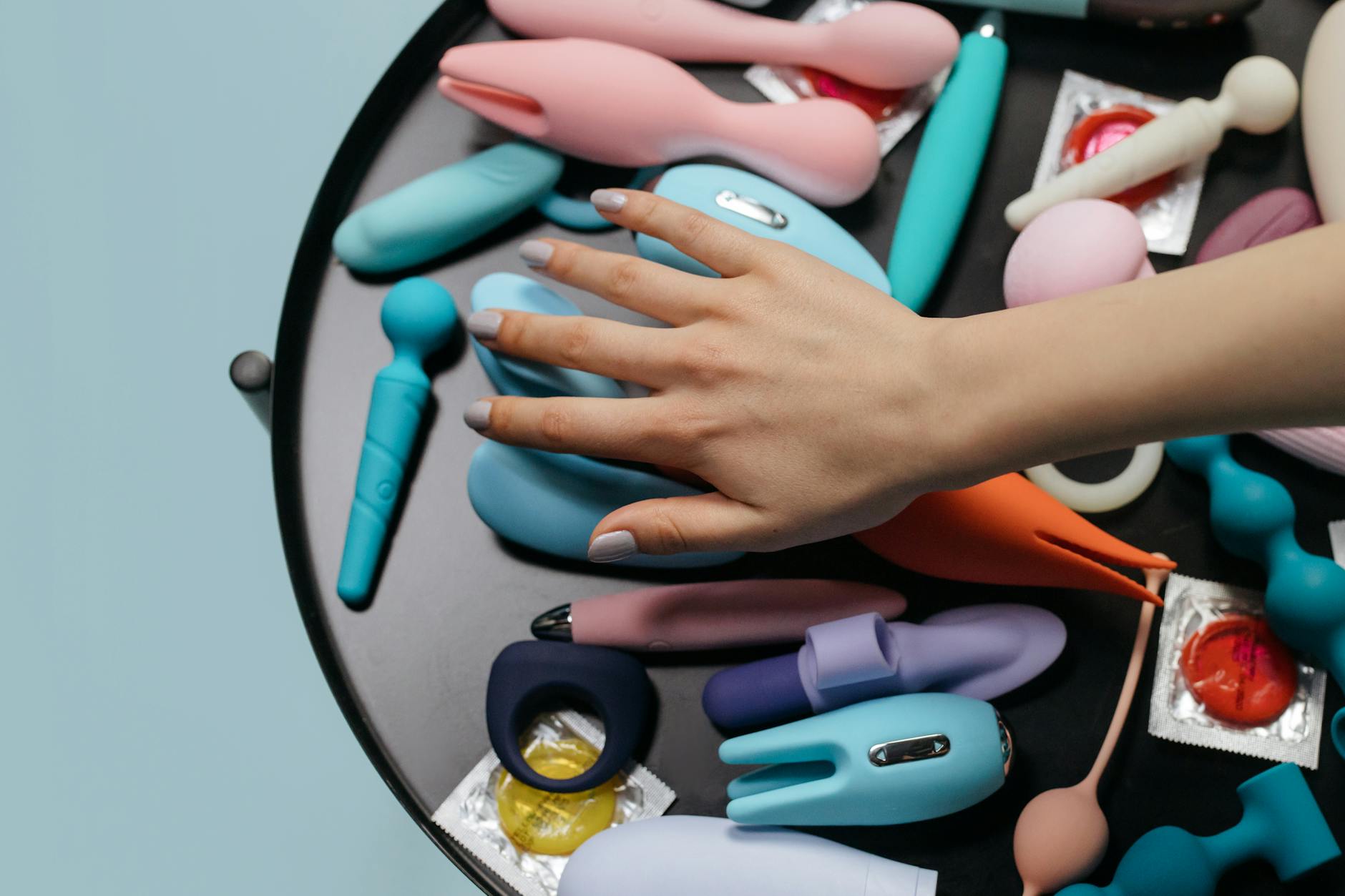
Photo by cottonbro studio on Pexels
How to reframe it in their brain
Your partner's hesitation is often rooted in a belief system about what sex "should" look like. You're not going to argue them out of that. You're going to show them something different.
Here are the reframes that actually land:
"This isn't about replacing you. It's about adding something I want to experience with you." Make it collaborative, not supplementary. You're not choosing the toy over them. You're choosing the toy plus them.
"A lemon clitoral vibrator is basically an extension of foreplay." If your partner thinks of toys as separate from sex, reposition them as part of the same conversation as kissing, touching, all of it. A vibrator is just another way to build sensation.
"You get to be involved." Some partners relax when they understand they're not just watching or waiting. Ask them: "Would you feel differently if you controlled it? Or if we used it together?" Agency matters.
"This might actually feel good for both of us." If your partner has been carrying the pressure to "make" you orgasm, a vibrator can release that pressure. Say it directly: "I want you to relax knowing that this helps me get there. That's not a failure on your part. That's data."
The first time you actually use one together
Don't start with the lemon vibrator in bed during sex. That's too loaded. Start somewhere lower stakes.
Try this: get undressed together, get comfortable, and explore it while you're just touching each other. Let them hold it first. Let them feel how light it is, how the patterns work. Remove the mystery. A lot of hesitation evaporates when someone realizes it's not some intimidating device. It's just a small, quiet tool.
When you do introduce it during sex, give clear instructions: "I'd love it if you could use this while we're together. I'll show you where and how." Walk them through it like you're teaching them something, not like they should already know. That's not insulting. That's respectful.
Most importantly: tell them what feels good. "A little slower." "Yes, right there." They need feedback that it's working, that you're genuinely into it. That feedback is what transforms hesitation into interest. They get to feel like they're part of creating that pleasure.
When hesitation stays hesitation
Sometimes you do all of this and your partner still says no. That's information you need to respect.
But here's what I've seen in couples therapy: the issue is rarely the toy itself. If your partner is unwilling to explore pleasure with you, unwilling to have open conversations about sex, or unwilling to prioritize your physical satisfaction, that's a deeper partnership issue. The vibrator is just the visible surface of something larger.
In that case, you might want to have a bigger conversation about sexual compatibility and how you both want to show up in the relationship. That might involve a couples counselor. It might mean reassessing whether this is the right partnership. But it's worth naming, because resentment over unmet sexual needs will corrode a relationship faster than almost anything else.
Most couples, though, find that once they actually talk about it and try it, the hesitation fades. The fear was bigger than the reality. And often, your partner ends up enjoying themselves too.
FAQs
What if my partner thinks a vibrator means I'm not attracted to them anymore?
This is the most common fear. Address it directly: "I'm attracted to you. And I also know what makes my body feel good. Those are two separate things. A vibrator isn't about attraction. It's about sensation." Then show them. Use it while you're kissing, while they're touching you, while you're making eye contact. Make it clear that this is adding to the intimacy, not replacing it.
Should I buy a lemon vibrator before I talk to them about it?
No. Talk first. Then buy together, or at least involve them in choosing it. If they're part of the decision, they're already more invested. Make it something you pick out as a team, not something you bring home as a surprise.
What if they want to use a toy on themselves but feel weird about me using one?
That's actually pretty common. Some partners feel less threatened by toys when they're in control of the device. Respect that boundary. You can work toward mutual comfort over time, but pushing will only make them dig in harder. Start with what they're comfortable with.
How do I bring this up if we've never talked about sex directly?
Start smaller. Ask about a good experience they've had. Ask what feels good. Build comfort with the conversation before you introduce the tool. Toys are easier to discuss once you're already talking about pleasure and sensation.
My partner says they're fine with it but seems uncomfortable during sex. What do I do?
Pause. Check in. "I want to make sure you're actually okay with this." Give them an out. Sometimes people say yes because they think you want them to, not because they actually consent. Real consent is ongoing and enthusiastic, not just reluctant agreement.
Is there a specific lemon vibrator that's less intimidating for hesitant partners?
Yes. Smaller, quieter tools like a lemon clitoral vibrator tend to feel less intense and threatening than larger wand vibrators. Show your partner what you're thinking about. Let them see how small and manageable it actually is. Visuals matter.
The truth underneath
Partner hesitation about vibrators is usually partner hesitation about talking openly about sex. Once you crack that conversation open, everything becomes easier. You're not actually fighting about a toy. You're negotiating how vulnerable you're willing to be with each other, how much you're willing to ask for what you want, and whether pleasure is something you prioritize together.
Those are the real conversations. The vibrator is just the thing that forced you to have them.
If you want support navigating sexual communication in your relationship, reach out at /contact and let's talk about what you need.