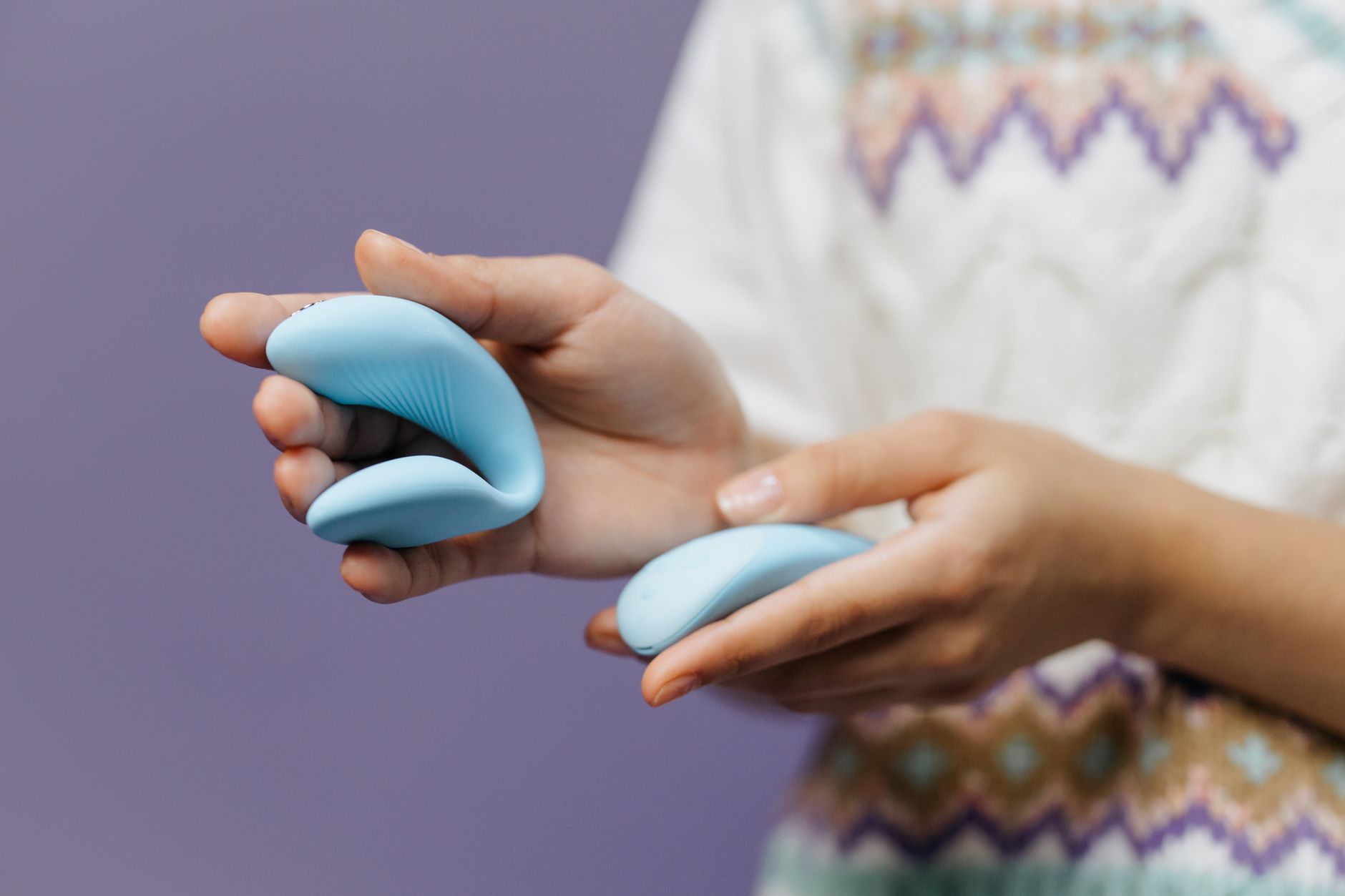
Let's name the thing nobody talks about
You want to use a lemon vibrator. You have time. You're alone. And then something stops you cold. Not fear. Not logistics. Guilt. The specific, grinding guilt that says your pleasure is selfish, or silly, or something you haven't earned yet.
This feeling is not a character flaw. It's a pattern, and it's worth understanding.
Where pleasure guilt actually comes from
Guilt about prioritizing your own pleasure is rarely about the pleasure itself. It's about three deeper beliefs that got installed early and stayed put.
First is the productivity myth. We're taught that our time and bodies have value proportional to what we produce. Sex, especially solo sex with a tool like a lemon clitoral vibrator, produces nothing measurable. It generates no income, no visible outcome, no evidence of productivity. Your brain flags this as "wasteful" before you even pick it up.
Second is the obligation hierarchy. Women especially are socialized to believe their sexual pleasure ranks below their partner's, their children's, their job's, their parents' needs. You might have heard versions of this: "What about them?" "Shouldn't you be...?" "Isn't that selfish?" Those questions lodged themselves early. Your nervous system learned that your pleasure is the lowest priority.
Third is the shame residue. If anyone in your family treated sex as secretive, shameful, or "not discussed," that imprint stays. Using a vibrator is an act of self-directed pleasure, which contradicts the message that sex is something done to you, not something you create for yourself.
All three of these beliefs feel like truth. They're not. They're just old programming.
Why your guilt is physiologically real (even though it's not rational)
When you think about touching yourself with a lemon sucker or any clitoral vibrator, your nervous system reads it through the lens of every message you absorbed about whether you deserve that. If the answer feels like "no," your body tenses. Your breathing gets shallow. Arousal becomes harder to access.
This is not weakness. This is your nervous system doing exactly what it was trained to do. Guilt is not a moral indicator. It's a signal that something you're about to do conflicts with a belief you've internalized.
The good news: signals can be retrained. That's actually what happens when you use a lemon vibrator deliberately, even while the guilt is present.
The practice: small permissions, repeated
You don't fix pleasure guilt by forcing yourself to feel okay about it overnight. You fix it by giving yourself permission in increments.
Start before the vibrator. Sit somewhere comfortable. Ask yourself: "If I weren't worried about being selfish or wasting time, what would feel good right now?" Don't answer with what you think you should want. Answer with what your body is actually asking for. Maybe it's rest. Maybe it's touch. Maybe it's music or temperature or privacy. Notice the difference between what you think you should want and what you actually want.
Set a boundary. Tell yourself you're taking 20 minutes. Not forever. Not "until something happens." Twenty minutes of your own time, protected. If guilt says "this is selfish," answer it with the fact that you're not taking those minutes from anyone else. You're not depriving anyone. You're building a small practice of believing you matter.
Use the lemon vibrator as permission itself. This is the thing I recommend to almost every client working through pleasure guilt. A clitoral vibrator is not just a tool. It's also a signal to your nervous system. It says: "I am prioritizing this. This is deliberate. This is mine." The physical sensation matters, yes. But the act of using it is equally important.
Start on a low setting. Let arousal build slowly. If guilt surfaces (and it will), notice it without fighting it. "There's the guilt. It doesn't mean I should stop. It means I'm doing something unfamiliar." Keep going. The nervous system learns through repetition that you are safe, that this is okay, that you deserve this.
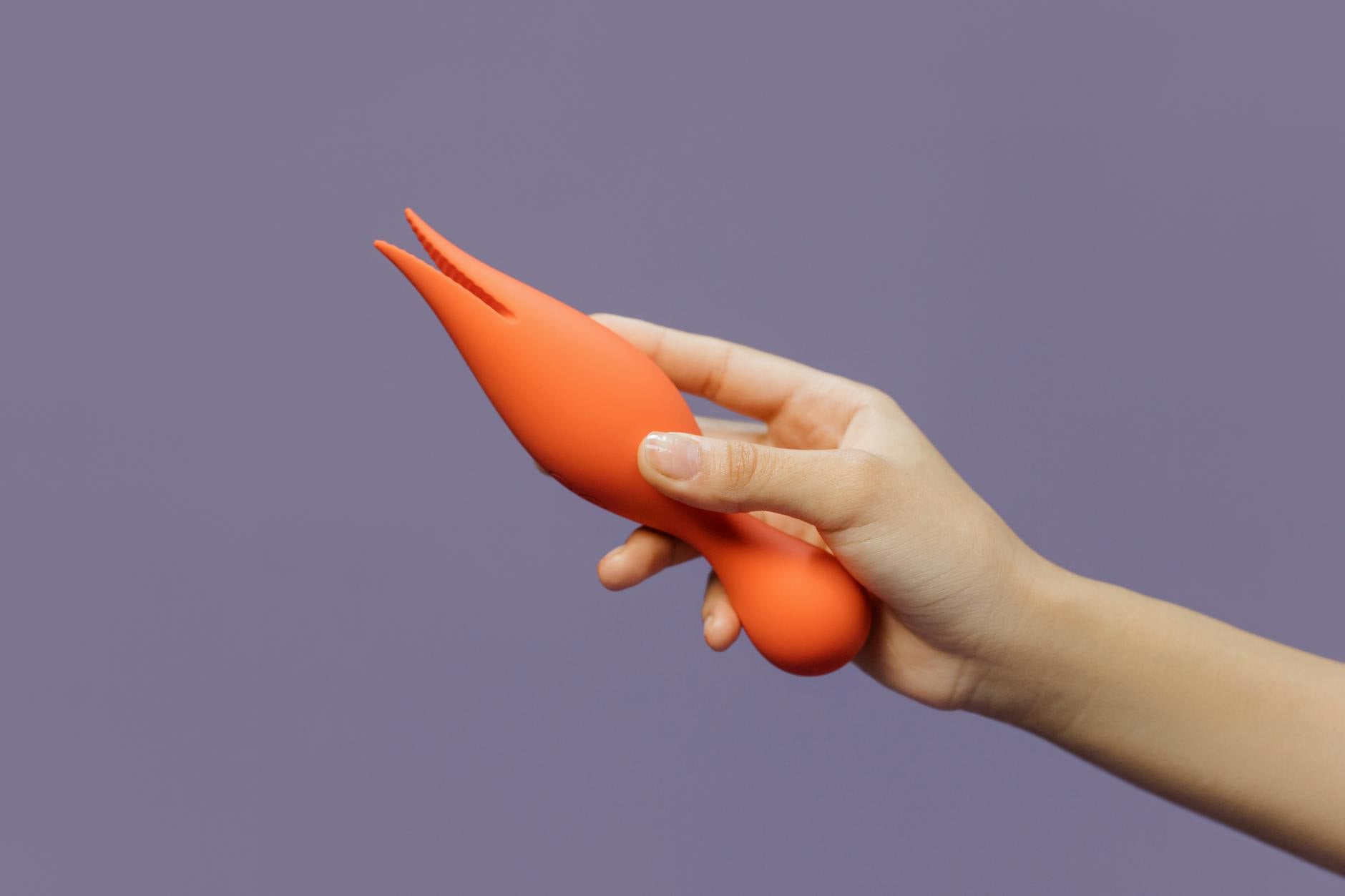
Photo by cottonbro studio on Pexels
What happens when pleasure guilt meets partnership
If you have a partner, pleasure guilt gets more complex. You might worry that solo pleasure means you don't want them, or that it's a comment on your relationship. Here's the truth: learning what you want alone teaches your partner what you want together. A lemon clitoral vibrator in your own hand is research. It's data. It's not a rejection.
If your partner has suggested you explore vibrators and you've resisted because of guilt, that's worth examining separately. Sometimes partners suggest toys because they genuinely want more for you. Sometimes they suggest them because they feel unsatisfied or they've absorbed the idea that vibrators "fix" things. Those are different conversations, and guilt isn't the tool to work through them with.
Speak first. Ask them why they're suggesting it. Then decide what feels right for you, independent of their answer. Your pleasure is yours to prioritize.
The permission you actually need
Here it is, plainly: your pleasure is not a luxury. It's not selfish. It's not something you have to earn or deserve. It's a baseline part of being human.
Using a lemon vibrator is an act of self-directed care. It's you saying: "My body matters. My experience matters. I am worth my own attention." That's not indulgent. That's radically necessary.
You might feel guilt the first time. You might feel it the fifth time. That's okay. The guilt doesn't mean you should stop. It means you're slowly retraining your nervous system to believe something new. Every time you move through it anyway, you're telling your body: "This is safe. You deserve this. I choose this."
That's how real change works. Not through willpower. Through small, repeated acts of permission.
FAQ: Pleasure guilt and lemon vibrators
Is it normal to feel guilty about using a clitoral vibrator alone?
Completely normal. Pleasure guilt is one of the most common barriers people face when exploring solo sexual wellness. If you were raised with messages about sex being private, shameful, or something you're supposed to wait for, your nervous system flags self-directed pleasure as somehow wrong. It's not. It's learned conditioning, and it can be unlearned.
Can using a lemon vibrator actually help reduce pleasure guilt over time?
Yes, but not magically. The act of using a vibrator repeatedly, even while guilt is present, teaches your body that this is safe and normal. Each time you do it, you're sending a signal to your nervous system: "We're doing this. It's okay." That repetition is what eventually quiets the guilt voice.
What if my partner doesn't understand why I want to use a vibrator solo?
That's a conversation worth having directly. Explain that solo exploration helps you understand your own body, which ultimately benefits both of you. If they're resistant because they feel threatened, that's about their insecurity, not about your desires. Your pleasure is not a referendum on them. You might also read How to Use a Lemon Vibrator With a New Partner Without Killing the Mood for language around integrating toys into partnership.
Is pleasure guilt connected to other issues like anxiety or depression?
Yes. Anxiety can amplify guilt, and depression often suppresses pleasure entirely. If you're using a lemon clitoral vibrator and finding it hard to access arousal, that might point to something deeper. How to Use a Lemon Vibrator for Better Orgasms When You're on Anxiety Medication addresses some of these dynamics. Consider talking to a therapist if guilt feels overwhelming.
Can I use a lemon vibrator if I'm on medication that affects libido?
Absolutely. Many medications lower libido or make orgasm harder to reach. A lemon sucker can help you access sensation that might otherwise be muted. The vibration technology is designed to work with your body's nervous system, regardless of medication. If arousal feels genuinely impossible, that's worth discussing with your doctor.
How do I know if my pleasure guilt is just standard conditioning versus something deeper I should work through in therapy?
If guilt passes once you start experiencing pleasure, it's likely socialization. If it persists or intensifies, if it shows up in other areas of your life, or if you have a history of trauma, working with a therapist makes sense. Guilt is useful information. It's worth listening to carefully, not just pushing through.
The small act of reclamation
Prioritizing your pleasure is not radical. It's basic. And yet so many of us were taught to treat it as selfish, frivolous, or something that ranks beneath everyone else's needs.
Using a lemon vibrator is a small act of reclamation. It's you saying: I get to feel good. I get to explore. I get to prioritize my own body. Not someday, not when I've earned it, not after everyone else's needs are met. Now.
Start small. Twenty minutes. One time. Let the guilt be there if it shows up. Then use your lemon clitoral vibrator anyway. Your nervous system is listening. It's learning. And with each time, the message becomes clearer: you deserve this.