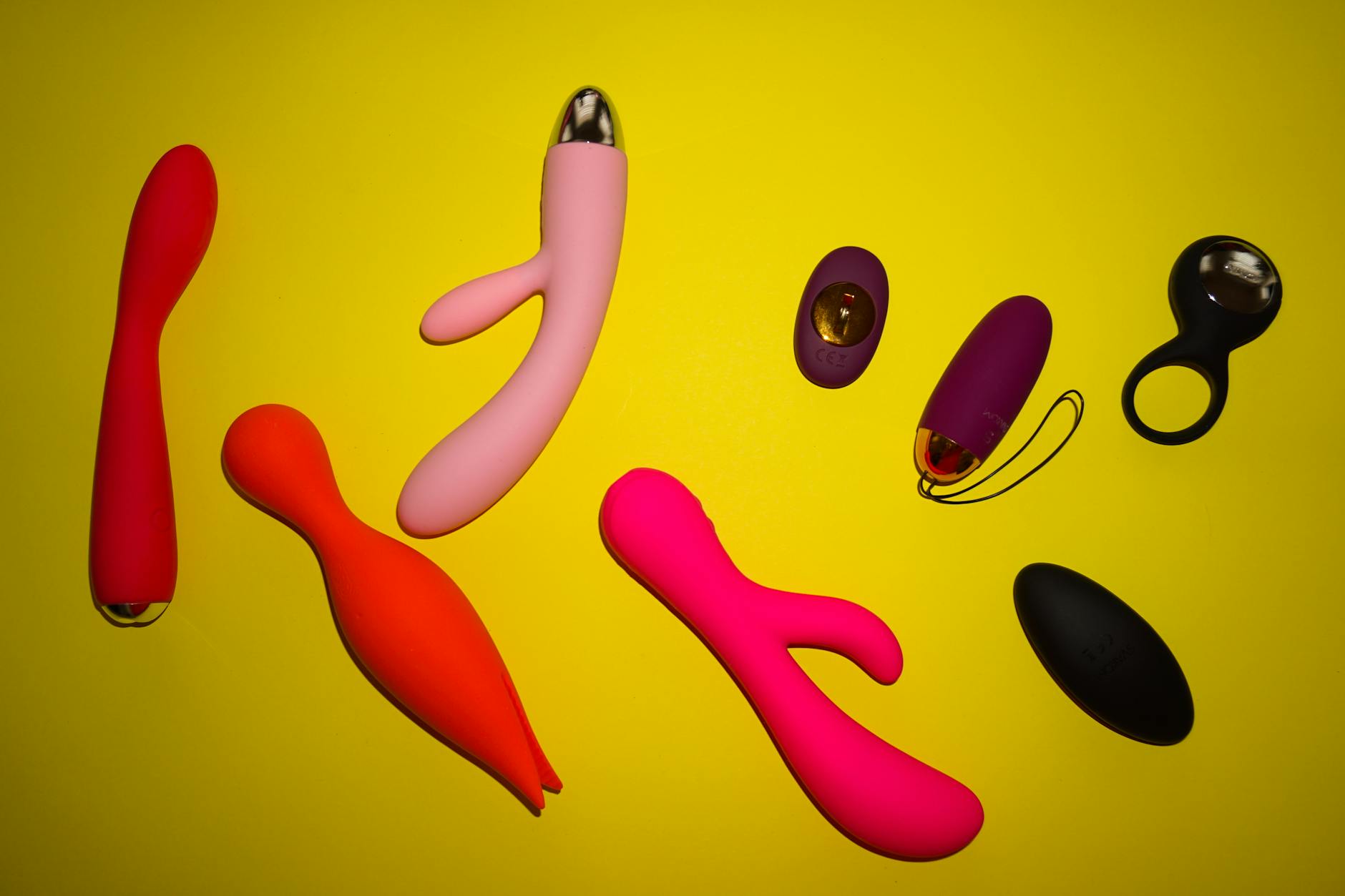
Here's what usually happens
You've spent months or years learning exactly how your body works with a lemon vibrator. You know which intensity, which patterns, what position, how long you need. You've built a whole private world around your pleasure. Then your relationship dynamic shifts. Suddenly the question isn't just "How do I orgasm?" but "Do I tell them? When? How?"
Most people freeze. They think either "This is weird and I shouldn't" or "If I introduce this, am I saying they're not enough?" Both assumptions wreck the conversation before it starts.
Let's unpack what's actually true.
The thing everyone gets wrong
Your partner isn't supposed to be your vibrator. A lemon vibrator isn't a replacement for them. These aren't opposing forces. They're tools for different parts of the picture.
Here's what I see repeatedly in my practice: couples who've been together for years suddenly realize one person has been quietly managing their own pleasure solo because they assumed bringing a toy into the bedroom meant admitting failure. That's backwards. A vibrator in partnered sex isn't a consolation prize. It's an upgrade.
Why? Because your nervous system has spent time learning exactly what gets you there. A partner's hands, mouth, or body have different textures, speeds, and patterns. Neither is wrong. They're just different. Using both means you're not asking your partner to become something they're not. You're asking them to show up while you show yourself pleasure. That's radically different from what most people think sex is supposed to look like.
The conversation that actually works
Don't ask permission. Don't apologize. Don't lead with "I have a confession." That framing makes something neutral sound shameful.
Instead, start with curiosity. "I've been thinking about what would feel good with you. I want to see if using my vibrator during sex would change things for both of us. Want to try it?" That's it. Three sentences. No preamble, no justification.
If your partner says yes, great. The next part is logistics. If they seem hesitant, ask what's making them nervous. Often it's one of three things:
"Will I feel replaced?" Clarify that you want them there. The vibrator does one job (consistent clitoral stimulation). You want their hands, their body, their presence doing the other jobs. They're not redundant. They're essential.
"I don't know how to use it." You use it. Show them. Let them watch. Some partners eventually want to hold it for you. Some never do. Both are fine.
"What if it doesn't work during sex?" Then you pause, adjust, and try again. Nothing has to be perfect the first time.
The actual mechanics
Timing matters more than you think. Your lemon clitoral vibrator works best when you're already aroused. Don't jump straight to it. Have foreplay first. Kiss, touch, build things up the way you normally would. When you're ready, introduce the vibrator.
If you've been using your device solo, you know roughly when in your cycle of arousal to bring it in. During partnered sex, that might be different. You might need more time, less time, or a different intensity. Pay attention. Your body will tell you.
Position-wise, a lemon vibrator is compact enough that most positions work. You can use it lying down, from behind, sitting up. Experiment without overthinking it. The worst that happens is nothing works that time and you try something different next time.
Communication during sex matters here too. "A little faster" or "Can you slow down?" or "I need a second" aren't mood-killers. They're how you actually get what you need. Partners who make you feel bad for adjusting aren't safe partners. That's separate from this vibrator conversation, but it's worth knowing.
What happens to your body
Using a lemon vibrator during partnered sex can change the intensity and speed of orgasm. Some people find their climaxes are deeper and more full-body. Others find they happen faster. Some people report having multiple orgasms more easily. Some say the sensation feels completely different because there's another person there.
All of this is normal. None of it is better or worse than solo use. It's just different. The first time might feel awkward or strange just because it's new. That doesn't mean it won't eventually feel amazing.
One thing I want to be clear about: if you can only orgasm with a vibrator and your partner gets frustrated about that, that's not a vibrator problem. That's a partnership problem. Some people are wired to need focused clitoral stimulation. That's not a flaw. That's just how your nervous system works. The right partner will be glad there's a tool that gets you there.
The emotional part people skip
Bringing a vibrator into partnered sex isn't just logistics. It's saying "I trust you enough to show you exactly what I need." That's vulnerable. Some partners feel honoured by that. Some feel threatened. If they feel threatened, that's worth exploring together. Not to convince them they should be fine with it, but to understand what's underneath the reaction.
Sometimes it's insecurity. Sometimes it's a different approach to sex than you have. Sometimes it's past trauma or beliefs about what sex "should" look like. None of those things are solved by hiding your vibrator. They're solved by talking, being patient, and sometimes getting a couples therapist involved.
If your partner still says no after you've talked about it, you have a choice to make. That's between you and them. But know that choosing your pleasure isn't selfish. It's necessary.
How to talk about it if they suggest it first
Sometimes your partner brings it up. They might say "I want to use a vibrator on you" or "Would you want to use one during sex?" If that's you, celebrate that. Your partner is trying to expand the conversation. The same principles apply. Be honest about what you want. Show them how you use your lemon vibrator solo. Let them understand your pleasure before they try to join it.
The other scenario: you've been using a vibrator solo, they find out, and they're upset. That's a different conversation. Depending on the relationship, it might be "I wish you'd told me" or "I feel left out" or "That doesn't feel safe to me." Listen. Don't defend. Explain what the vibrator means to you. Sometimes this opens a door to deeper conversation about sex, desire, and what you both actually want.
The practical setup
Get comfortable with your vibrator before partnered sex. You already use it solo, so you know it. Know where the battery indicator is. Know how to turn it on and off quickly. Know which intensity levels you actually like. Some lemon sexual toys have multiple patterns. You don't need to explore all of them during partnered sex. Pick one and stick with it until you feel solid.
Battery life matters more than you think. Nothing kills the moment like "Hold on, the battery's dead." Charge your device beforehand. Have a small towel nearby. Lube is your friend, especially if you're combining penetration with vibration. Water-based lube works with every material.
Start with shorter sessions while you're getting used to it. Ten minutes of experimentation beats thirty minutes of awkwardness. You can always do more next time.
Why this matters long-term
Couples who can talk openly about pleasure tend to stay together longer. That sounds unrelated to vibrators, but it's not. A vibrator is just the object. What matters is that you're both willing to say what you need, listen to what your partner needs, and keep adjusting as things change.
If you're in a long-term relationship, your bodies will change. Your desires will shift. What worked at twenty-five might not work at forty. A partner who can bring a lemon clitoral vibrator into the conversation is a partner who's saying "I want us to keep finding new ways to connect." That's the opposite of boredom or failure. That's investment.
Common worries and what's actually true
"Using a vibrator means my partner isn't attracted to me." False. If anything, the opposite. They want to make sure you feel good. They're trying.
"If I bring this up, they'll think I'm cheating." Unlikely. Most partners either already use vibrators themselves or know that vibrators aren't another person.
"What if they want to use it on me and I don't like it?" Tell them. "That doesn't feel right. Can I show you what I like?" Same conversation, new direction.
"This will be weird forever." No. The first time is weird. The second time less so. By the tenth time, it's just part of your sex life.
The key to all of this is remembering that you're not introducing shame into something beautiful. You're adding clarity and permission. You're saying "My pleasure matters. Your pleasure matters. Let's figure this out together." Everything else flows from there.
FAQ
Can I use a lemon vibrator if I've never used one with a partner before?
Absolutely. Start the conversation whenever feels right. There's no "right" time. Early in a relationship is sometimes easier because there are fewer assumptions baked in. Later in a relationship requires more vulnerability but often leads to deeper conversations about intimacy.
What if my partner wants to buy a vibrator for me but I already have one?
Tell them. Show them the one you have. If they still want to get you something, great. If your lemon vibrator is already perfect, you can acknowledge the gesture and keep using what works. You don't have to use their choice just because they picked it.
How do I know if my partner is actually okay with it or just saying yes to please me?
Pay attention to their body language and reactions. A genuinely interested partner will ask questions. They'll want to understand how it works. A partner who's just saying yes might go silent or seem uncomfortable. If you sense hesitation, pause and check in. "Are you really good with this or are you going along with it?" Direct questions get better answers.
Does using a lemon vibrator together mean we're not having "real" sex?
Yes, it's real sex. All consensual partnered pleasure is real. The vibrator is part of it, not separate from it. If you're together, touching, connected, and both enjoying yourselves, that's sex. Full stop.
Should I use the same settings with my partner as I do solo?
Maybe, maybe not. Your body might respond differently when another person is there. You might want different intensity or patterns. Give yourself permission to adjust. What works one day might not work the next. That's normal.
What if we try it and it's awkward and we don't want to do it again?
Then you don't. You tried something. It didn't click. You move on. That happens with all kinds of things in sex. It's data, not failure. You learned something about yourself and your partnership.
Can I use my lemon adult toy if we're just starting to have sex in a new relationship?
Yes, if the conversation feels right. Some newer partners are more open to experimentation because there are fewer years of habit baked in. Just be honest about what you like and what you're hoping for. Let them decide if they want to be part of that.