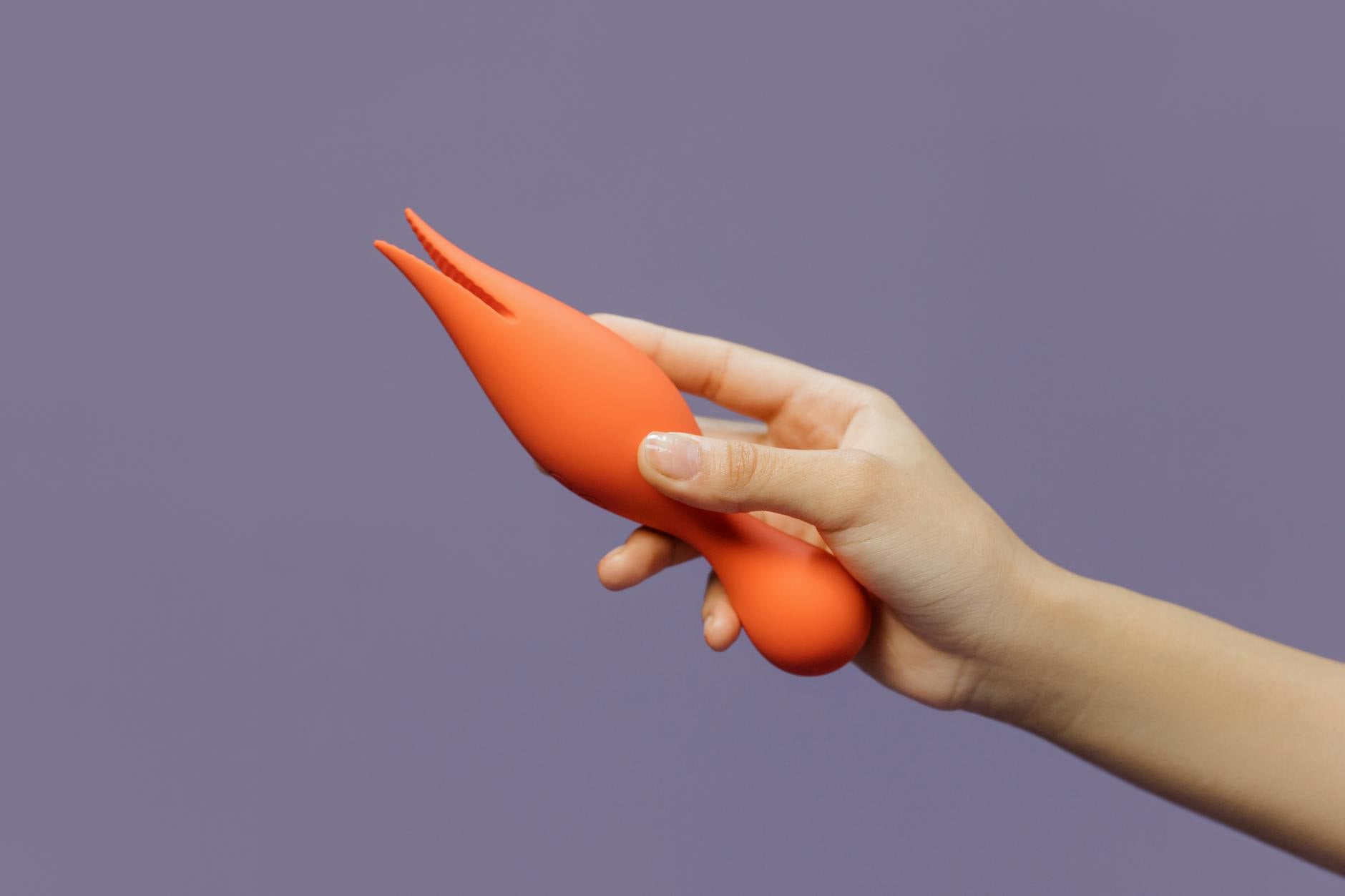
The sensitivity plateau is real
Let's be honest. After years of using a lemon vibrator or other clitoral vibrator, the intensity you once felt from a lower setting barely moves the needle anymore. What used to take 10 minutes now takes 30. Your partner's touch feels like nothing. You find yourself reaching for the highest setting almost automatically, wondering if you've broken something.
You haven't broken anything. What's happened is much simpler and much more fixable.
Why vibrators dial down your sensitivity
Your nervous system adapts. This is called habituation, and it's not a sign of weakness or permanent damage. It's how your body works.
When you use a vibrator regularly, especially at higher intensities, your nerve endings stop firing with the same urgency in response to the same stimulus. Think of it like a smoke detector in a kitchen. The first time it goes off, you jump. By the hundredth time, you barely notice. Your brain has learned that this signal is routine, not an emergency.
Lemon vibrators, like all suction-based and high-frequency clitoral vibrators, are incredibly efficient at this. They work so well that they can actually over-train your nervous system to expect that level of stimulation. Lower-intensity touch becomes invisible by comparison.
Hormones shift this too. If you've entered perimenopause or menopause, declining estrogen changes how sensitive your nerve endings are to begin with. Combined with years of vibrator use, the effect compounds.
The reset happens in stages
Rebuilding sensitivity isn't about white-knuckling through discomfort. It's about gradually reintroducing your nervous system to a range of sensations.
Stage one: The pause. Take a full break from your vibrator. Not forever. Two to four weeks is typically enough to let your nerve endings reset. During this time, you're training yourself to notice other sensations. Hand touch, pressure, temperature, texture. If this sounds boring, good. Boredom is the point. Your nervous system needs to get hungry again.
Stage two: The reintroduction. After the pause, start back with your lemon vibrator, but not how you used to. Begin at the lowest setting. Spend time noticing what you feel rather than chasing an orgasm. This is genuinely uncomfortable for people used to fast results. Sit with it anyway. You're re-establishing the neural pathway from "vibration" to "pleasure," not just "numbed response."
Stage three: The layering. Combine hand touch with the vibrator at low settings. Alternate between vibration and manual stimulation. This teaches your body to stay engaged across a range of intensities instead of only responding to the maximum.
What the science actually shows
A 2020 study in the Journal of Sexual Medicine found that people who took a four-week break from vibrator use reported significantly improved orgasm intensity when they resumed. More interestingly, those who deliberately varied stimulation intensity during that reintroduction phase maintained that improvement long-term.
The key finding: vibrator users who always stayed on high settings had no improvement. People who cycled through low, medium, and high settings saw sustained gains. Your nervous system needs variety to stay sensitive.
This isn't about your vibrator being bad or you being broken. It's about how human adaptation works.
The practical reset protocol
Here's what I recommend to clients who want to rebuild sensitivity without giving up their vibrators entirely.
Weeks one and two: No vibrator. Hand touch only. Masturbate intentionally at least three times per week, without any goal except sensation. Notice what your fingers feel like. Notice pressure, rhythm changes, and texture. This is training, not pleasure-chasing.
Week three: Vibrator reintroduction at level one. Use your lemon vibrator or clitoral vibrator only on the lowest setting. Spend 15-20 minutes just exploring how it feels. You probably won't orgasm, or it will take much longer than you're used to. That's exactly what should happen.
Week four: Level one plus hand touch. Alternate between vibrator (low) and fingers. Try 30 seconds of vibration, then 30 seconds of fingers. This teaches your nervous system that multiple intensities are all valuable.
Week five onwards: Varied approach. You now have permission to use higher settings, but only after you've spent time at lower intensities first. Think of it like warming up before a workout. Five minutes on level one, five minutes on level two, then you can go to level three or four if you want.
Most people report that their sensitivity has genuinely returned by week three or four of reintroduction. Orgasms feel sharper, partner touch feels present again, and they actually notice the difference between setting one and setting two on their vibrator.
The role of mental space
Sensitivity isn't just physical. If you're stressed, distracted, or frustrated about the problem, your nervous system stays clenched. You're fighting your body instead of working with it.
During the reset phase, release the expectation that you should have the same response speed you used to. You're not broken because orgasm takes longer now. You're healing because you're willing to slow down and feel again.
If you have a partner, this is a good time to explore communication around changing needs. Many people feel shame about needing a break from vibrators, as though it's a personal failing. It's not. It's just how nervous system adaptation works, and it's completely reversible.
Preventing sensitivity decline long-term
Once you've reset, you don't have to go through this again if you're intentional.
Rotate settings. Don't always start on high. Mix it up.
Take scheduled breaks. One week off every few months keeps your nervous system from settling into permanent habituation.
Combine methods. Lemon vibrators work beautifully with hand touch, partner touch, or other sensations. Mixing them prevents over-reliance on any single stimulus.
Pay attention to arousal first. Spend time getting genuinely turned on before you reach for your vibrator. This makes your nervous system more responsive overall.
If you find yourself using your vibrator the same way every single time, that's a sign that variation matters. Humans are incredible adapters, which is a strength. It just means we have to stay intentional about variety.
When sensitivity doesn't return
For most people, this protocol works. If after eight to twelve weeks you're still noticing no improvement, there might be other factors at play.
Hormonal shifts, medications, relationship stress, or underlying health changes can all affect sensitivity independently of vibrator use. If you suspect something else is going on, it's worth having a conversation with a healthcare provider who specializes in sexual health. There's no shame in that. Sometimes reset protocols need extra support.
But for the majority of people dealing with sensitivity decline after years of lemon vibrator use, the issue is straightforward: your nervous system adapted to a very effective stimulus. The fix is equally straightforward. Pause, reintroduce mindfully, and vary your approach.
Your sensitivity is still there. It's just waiting for you to remember how to find it.
Frequently asked questions
How long does it take to feel sensitivity returning?
Most people notice small improvements within two weeks of starting the reset protocol. Real, measurable sensitivity usually returns within four to six weeks. If you've been using lemon vibrators heavily for many years, it might take eight weeks. The key is consistency during the reintroduction phase.
Can I still have orgasms during the reset period?
Yes, absolutely. You're not in a sexual desert. You're just exploring a different intensity range. Orgasms might feel different or take longer, but that doesn't mean you shouldn't have them. The goal is to notice sensations across the full spectrum, not to deprive yourself.
Do I need to throw away my vibrator?
No. Your lemon vibrator isn't the problem. How you've been using it is just one part of the equation. Once you reset, you can absolutely use it again. The difference is you'll use it smarter: varied settings, combined with other stimulation, and with intentional breaks built in.
Is this sensitivity loss permanent if I don't fix it?
No. Habituation is reversible at any point. Some people live with reduced sensitivity for years without realizing it can change. The moment you pause and reintroduce intentionally, your nervous system starts to wake up again.
What if my partner's touch still feels like nothing?
That's a separate conversation worth having with your partner. Often what looks like a vibrator sensitivity issue is actually about arousal, connection, or emotional presence. If you've completed the reset protocol and you're still not feeling partner touch, that might warrant a deeper exploration of your relationship or stress levels. Sometimes what seems like a physical problem is actually an intimacy signal.
Can hormonal changes affect sensitivity too?
Completely. If you're in perimenopause or menopause, your baseline sensitivity is already shifting due to declining estrogen. That means your reset timeline might be longer, and you might benefit from reading more about how your body changes over time. The protocol still works, but you might need to be more patient with yourself.
The bottom line
Sensitivity decline after years of vibrator use is normal, predictable, and completely fixable. Your nervous system isn't broken. It's just gotten really, really good at adapting to the same input. The reset protocol gives you a structured way to reintroduce variety and wake that sensitivity back up.
Start with the pause. Move into intentional reintroduction at low settings. Layer in variety. Within a few weeks, you'll feel the difference. Your vibrator will feel more effective, partner touch will register again, and you'll actually notice the difference between settings instead of defaulting to maximum.
If you want more support navigating these kinds of shifts in your body or your relationship, get in touch. That's what I'm here for.