Let's talk about what actually breaks
Infidelity shatters more than trust. It fractures the shared language you had for touch, desire, and what it means to be wanted. Many couples assume the sexual damage is the most painful part. It's not. The painful part is that your body stops believing your partner's desire for you is real.
I work with couples through this regularly. The couples who rebuild their intimate lives successfully aren't the ones who ignore what happened. They're the ones who find practical, non-negotiable tools to rebuild both trust and physical reconnection at the same time.
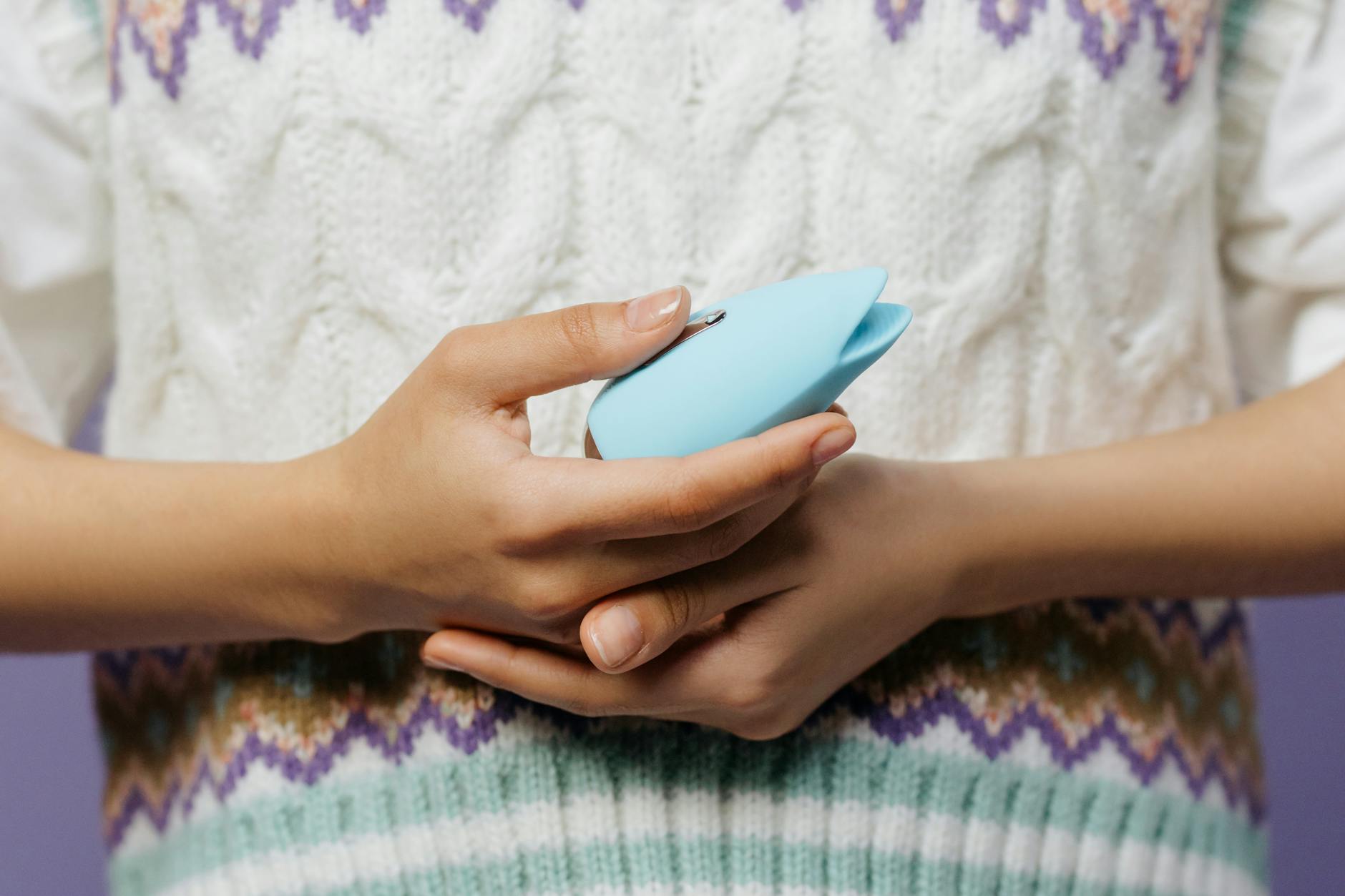
Lemon vibrators, specifically, help because they remove a layer of performance anxiety. They're not about your partner's skill or your adequacy. They're about your pleasure, full stop.
Why the body needs permission to reconnect
After infidelity, your nervous system does protective work. Hypervigilance arrives. You start tracking your partner's phone, their mood, the timing of things. At the same time, your body tightens. Arousal feels like a betrayal of your own boundaries.
This is not dysfunction. This is your nervous system being smart.
What shifts things is a framework where pleasure becomes decoupled from performance or proof. A lemon vibrator works in your own hands. Your partner can be present without being in control. The arousal you build is yours first, which means you're choosing when to share it.
One partner I worked with put it plainly: "I didn't realize I could have an orgasm that felt like self-respect instead of just trying to make things normal again."
Creating safety through structure
Couples rebuilding after infidelity need scaffolding. Not rules, but frameworks. Here's what works with a lemon clitoral vibrator:
1. Solo exploration first. Before using it together, use it alone. Learn what intensity, rhythm, and pattern feel most like your own pleasure. This grounds you in your own body before you invite your partner back in.
2. Presence without performance. When you do use a lemon vibrator with your partner present, the job is simple: they stay present, they don't direct, they don't try to make it "hotter." They watch your actual pleasure without managing it. This is radically different from how many couples approach sex.
3. Communication happens after, not during. Right after an orgasm with your lemon vibrator, your nervous system is open. Many couples use this moment to name what felt good, what brought them closer, what they want to try next. The vulnerability is already there.
How lemon vibrators sidestep the comparison trap
After infidelity, many couples get stuck in a loop: "Was this person better at sex than me?" "Do you still think about them when we're together?" These questions are necessary, but they poison intimacy if they're the only conversation.
A lemon vibrator introduces a different question: "What pleasure can we build that's just ours?"
The suction technology works particularly well for this because it's distinct. It doesn't mimic fingers or a partner's body. It's a third thing that you're exploring together, not a competition with someone else.
Why intensity control matters for trust rebuilding
When you're rebuilding trust, you need to feel in control of your own experience. Lemon vibrators give you that in a way that's almost invisible but crucial. You choose the pattern. You choose how long. You choose when to stop.
Many partners report that watching their spouse have this control, this agency, is where trust actually starts to rebuild. Not in the orgasm itself, but in seeing their partner prioritize their own pleasure and boundaries.
The conversation you actually need to have
Here's what most couples skip: the conversation about what infidelity meant for your sexual connection. Was it that you wanted something your partner wasn't offering? Was it novelty, or distance, or a way of asserting power?
A lemon vibrator doesn't answer that question. But it creates space for it. Because when you're not performing or defending, you can actually talk.
The couples who rebuild strongest use their vibrator sessions as data. What felt good? What pattern made you feel most connected? What intensity helped you feel present rather than dissociated? These answers teach you about what you actually need, which then shapes the non-vibrator sex that follows.
When to bring your partner into the experience
Timing matters. I usually recommend at least 2-3 weeks of solo exploration before adding your partner. This gives your nervous system time to believe that pleasure is safe again in your own body.
When your partner is present, they don't need to do anything except be steady. Hold you if you want to be held. Stay present with eye contact if that feels intimate. Or sit nearby and talk about something unrelated. The point is consistency and non-abandonment, not performance.
If your partner is uncomfortable with you using a lemon vibrator, that's information worth exploring. Not judgment information. Just clarifying information. Does it feel threatening? Does it bring up their own insecurity? Does it feel too soon? Those are all different conversations that need air.
The physical adjustments that support emotional safety
Bodies after trauma need different things. You might need more lubrication than before. Your sensitivity might have shifted. Your arousal might take longer to build, or it might come in waves rather than a steady climb.
A lemon vibrator's adjustable patterns help here. You're not locked into one speed or sensation. You can start soft, build gradually, shift patterns mid-session. This variability is actually what helps your nervous system feel safe. You're not on a preset track. You're exploring.
Redefining what intimacy means now
Infidelity changes the definition of intimacy whether you stay together or not. If you choose to rebuild, you have an opportunity to be intentional about what intimacy actually means to you both.
For some couples, it's about vulnerability and truth. For others, it's about novelty and playfulness in a contained way. For still others, it's about building pleasure that has nothing to do with performance or comparison.
A lemon vibrator can be part of any of those definitions. The tool doesn't matter as much as the conversation it creates space for.
FAQ: Rebuilding intimacy after infidelity
How long does it take to rebuild physical intimacy after infidelity?
There's no timeline. Some couples feel physically reconnected in weeks. Others take months or years. What matters is consistency and honesty. If you're using a lemon vibrator as part of your reconnection, aim for weekly exploration, at least at first. That regularity teaches your nervous system that pleasure and trust can coexist.
Is using a lemon vibrator after infidelity a sign that the relationship is broken?
Actually, it's often a sign that a couple is being intentional. Couples who avoid all sexual discussion after infidelity tend to struggle more long-term. Couples who bring in tools and have hard conversations rebuild stronger. A lemon clitoral vibrator is a tool for that conversation, not a bandage over a problem.
Should we use the vibrator during partnered sex or only solo?
That's entirely your choice. Some couples find that using it together during sex helps them both feel present and connected. Others prefer it as solo exploration that they talk about afterward. There's no right way. The point is that you're both choosing it and talking about it.
What if my partner feels threatened by the vibrator?
This is worth exploring, not dismissing. Sometimes it's about insecurity. Sometimes it's about feeling replaced. Sometimes it's about different values around sex toys. Have the actual conversation. Ask what it brings up for them. Listen. Then you can make a choice together about how to proceed.
Can a lemon vibrator help if we're deciding whether to stay together?
Maybe. If you're using it as part of genuine emotional work and conversation, it can help you access what you actually feel and need. If you're using it to avoid the hard conversations, it won't help. The vibrator is a tool for clarity, not a solution to infidelity.
How do we know if rebuilding intimacy is actually working?
You'll feel it in small moments. Spontaneous touch that isn't performative. Eye contact that holds. The ability to feel aroused without guilt. A conversation that feels honest instead of scripted. These are the signs that your nervous system is slowly starting to trust again. The vibrator is just part of the larger work.
Rebuilding after infidelity is hard, patient work. It requires both partners to show up with honesty and vulnerability. A lemon vibrator can't fix what's broken, but it can help you rebuild something new. Something more intentional. Something that's actually just yours.
If you're working through this with a partner, take your time. Use the tools that feel right. Have the conversations that feel scary. And know that couples do come back from this, stronger and more connected than before.