
Let's be real about the conversation
You want to introduce a lemon vibrator. Your partner doesn't know yet. And you're imagining all the ways they might take it wrong. "Does this mean I'm not enough?" "Are you not attracted to me anymore?" "Why didn't you just ask me first?"
Here's the thing. Most of those fears live on both sides of the conversation. Your partner might worry the same things. So the conversation isn't actually about the vibrator. It's about reassurance, desire, and partnership.
The timing question nobody asks
Don't introduce a lemon vibrator when your partner is tired, stressed, defensive, or in a rush. Not because you need to hide it, but because context shapes everything.
The ideal moment is calm. You're both fed, rested, and not juggling other demands. Ideally, it's not in the bedroom right before sex. The best conversations happen at a neutral time, sitting down, with space to talk.
If you're in a long-term partnership where intimacy is already collaborative, you have more permission to experiment with timing. If you're newer or if the relationship has friction around sex, you need more intentional staging.
How to actually start the conversation
Don't lead with the product. Lead with the feeling.
Try one of these framings:
"I've been thinking about what makes me feel good, and I want to explore something with you."
This centers your pleasure and your desire for partnership. It's not about his inadequacy. It's about your own sexuality.
"I read something about clitoral vibrators and got curious. Would you be open to trying something new together?"
This is transparent and collaborative. You're not hiding research. You're inviting them into your thinking.
"I love our sex life, and I want to add something that could feel even better for me. Would you want to explore that?"
This is direct without being defensive. It states the truth: you like what you have and you want to expand it.
What not to say:
"I need this because you're not satisfying me." (Untrue and cruel.)
"All my friends have vibrators." (Irrelevant and makes it social pressure.)
"It's just a toy, it's not a big deal." (Minimizing makes people more defensive.)
What to do if they react poorly
Defensive responses are normal. They usually sound like:
- "Are you saying I'm not enough?"
- "Why do you need that if you have me?"
- "That's weird." or "I don't like that idea."
None of these mean the conversation is over. It means you need to clarify.
For "Are you not satisfied?" respond with: "I'm satisfied with you. This isn't about replacing anything. It's about exploring something that could feel different, not better. The two aren't the same."
For "Why do you need that?" try: "The same reason I like different foods or music. I want to experience different sensations. Some of those I want to experience with you."
For "That's weird" stay calm: "I understand it might feel unfamiliar. A lot of people feel that way until they try something. Are you willing to be curious, even if it feels strange at first?"
The core move: validate their feeling without letting it shut down the conversation.
Positioning it as something you do together
This matters more than the actual lemon vibrator.
If your partner thinks you want to use it alone, they'll feel excluded. If they think it's about fixing them, they'll feel blamed. You need to show them it's collaborative.
Here's how:
- Use "we" language. "I want us to explore this." "Would this be something we could try together?"
- Invite their input. "What would make you comfortable with this?" "What questions do you have?"
- Show curiosity about their pleasure too. "I'm also wondering if you might enjoy different sensations. What feels good to you?" This shifts the conversation from your vibrator to shared exploration.
- Suggest a learning moment together. Some couples research new toys together. Some watch educational content about clitoral vibrators. Shared learning removes the shame and makes it collaborative.
The practical conversation
Once they're open, talk logistics.
When would you use it? During partnered sex, or sometimes solo? Will they be involved, or is it sometimes a solo thing? (Both are fine. You're just clarifying.)
What does your partner need to feel secure? Some people want to be present. Some want to initiate it. Some want to be curious but hands-off. None of those answers are wrong.
If they want to be involved, show them how. Let them hold the lemon vibrator first, off. Explain the intensity levels. Mention that you might take a minute to adjust. Let them ask questions without judgment.
The first time you actually use it together
Go slow. This is not the moment to introduce maximum intensity.
Start with your partner touching you the way they normally would. Then, once you're already aroused, introduce the vibrator. This makes it feel like an addition, not a replacement. Your partner can see your body's response. They can stay involved.
Talk during it. "That feels good." "A little slower." "I like this pattern." Your partner needs feedback. They also need to see you're still here with them.
After, talk about it. Not a debrief, not an analysis. Just real conversation. "I liked that." "It felt different than I expected." "I want to try it again." Give your partner space to share too. Did they like watching? Did it feel weird? Both feelings are valid and worth hearing.
If they're still hesitant
Some partners take time. That's okay.
You can use a lemon vibrator solo and they can be supportive without participating. That's a legitimate choice. You're allowed to have your own pleasure practices. You're also allowed to grieve that your partner isn't curious about something that matters to you. Both things are true.
If the resistance is rooted in insecurity that won't shift with conversation, couples therapy is worth considering. A therapist can help both of you understand what's underneath the defensiveness. Sometimes it's not about the vibrator at all. It's about trust, or desire, or feeling seen.
The longer view
Once you've had the conversation and tried it, the weight lifts. You're not hiding something. Your partner knows what you like. You've been vulnerable and they've met you there.
That's actually what partnerships are for. Not agreement on everything, but the willingness to show each other what feels good and stay curious about each other's pleasure.
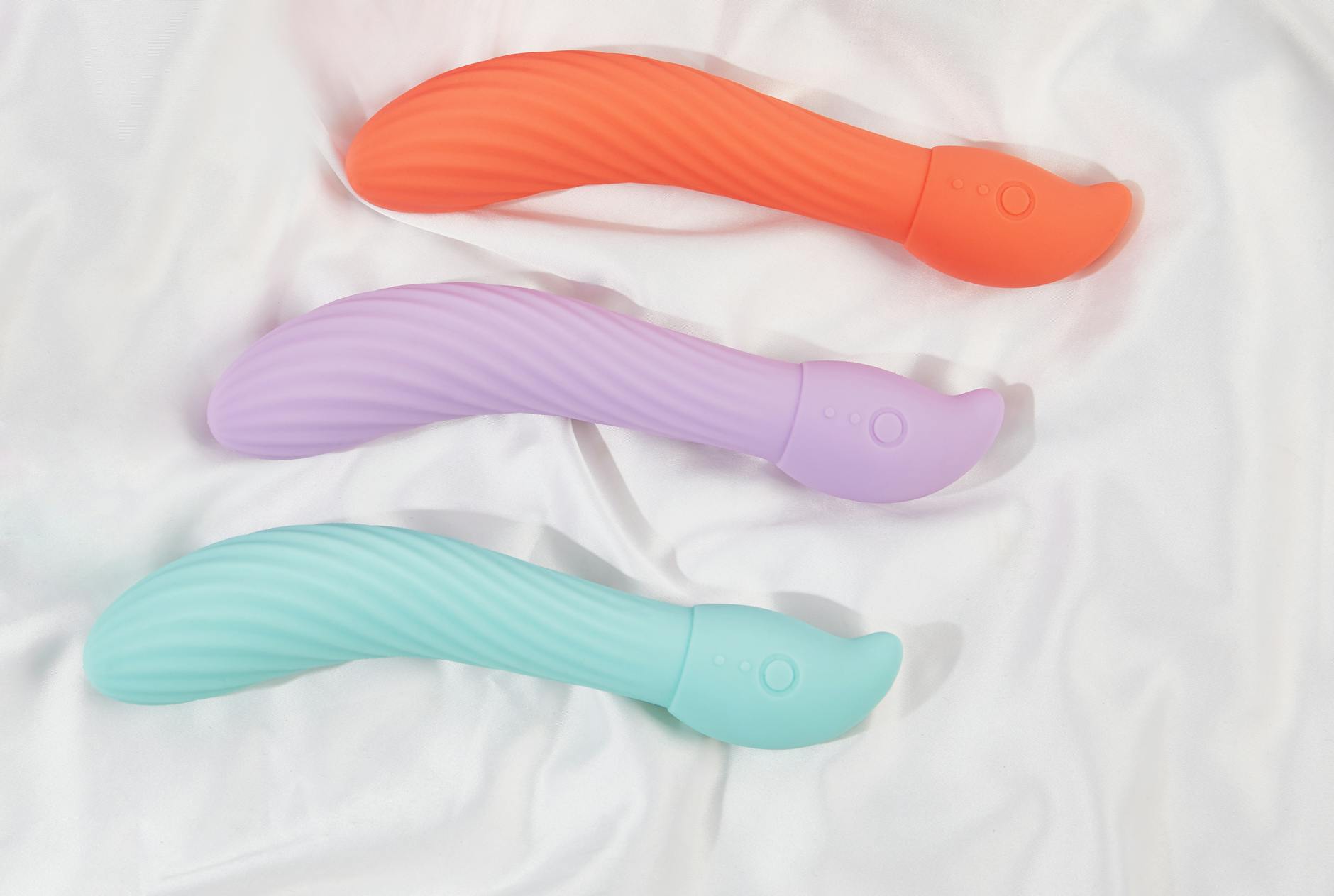
Photo by IFONNX Toys on Pexels
FAQ
What if my partner wants to introduce the vibrator first?
That's actually a gift. They're showing curiosity about your pleasure. The conversation flips: they're sharing something with you, and your job is to stay open. Ask them what made them think of it. Ask what they're hoping you both experience. Let them lead. Your willingness to receive that initiates partnership.
Is it okay to buy a lemon vibrator without telling your partner?
Technically yes. Ethically, it depends on your relationship agreements. If you value transparency, you mention it first. If you're curious but not sure they'll be receptive, you can explore solo. But eventually, if you want to use it with your partner, they'll find out. Getting ahead of it is kinder than them discovering it and feeling blindsided.
How do I bring up vibrators if we've never talked about sex openly?
Start smaller. Have conversations about what already feels good. Build language together. Then introduce the idea of exploring new sensations. How to introduce lemon vibrators to your partner gets easier once you have a baseline comfort talking about pleasure. If you're starting from zero, go slower and give yourself grace.
What if I'm the partner who's hesitant?
There's nothing wrong with that. Your feelings are real. Ask yourself what you're actually worried about. Is it about sufficiency? Compatibility? Feeling left out? Once you name it, the conversation can actually address it instead of staying abstract. Your partner introducing a lemon clitoral vibrator might actually be an invitation to explore intimacy together differently, not a rejection of you.
Can lemon vibrators actually improve couples communication?
Not magically. But the process of discussing something vulnerable, being honest about desire, and staying curious about each other's pleasure does strengthen intimacy. A lemon vibrator is just the vehicle for that conversation. The real work is showing up to talk about what you both need.
What if we try it and I still feel insecure?
That's information worth exploring, ideally with a therapist who specializes in couples work. Sometimes vibrator insecurity is actually about deeper fears about desirability, change, or control. Those feelings matter and deserve real attention, not dismissal. A good couples counselor can help both of you understand what's underneath.