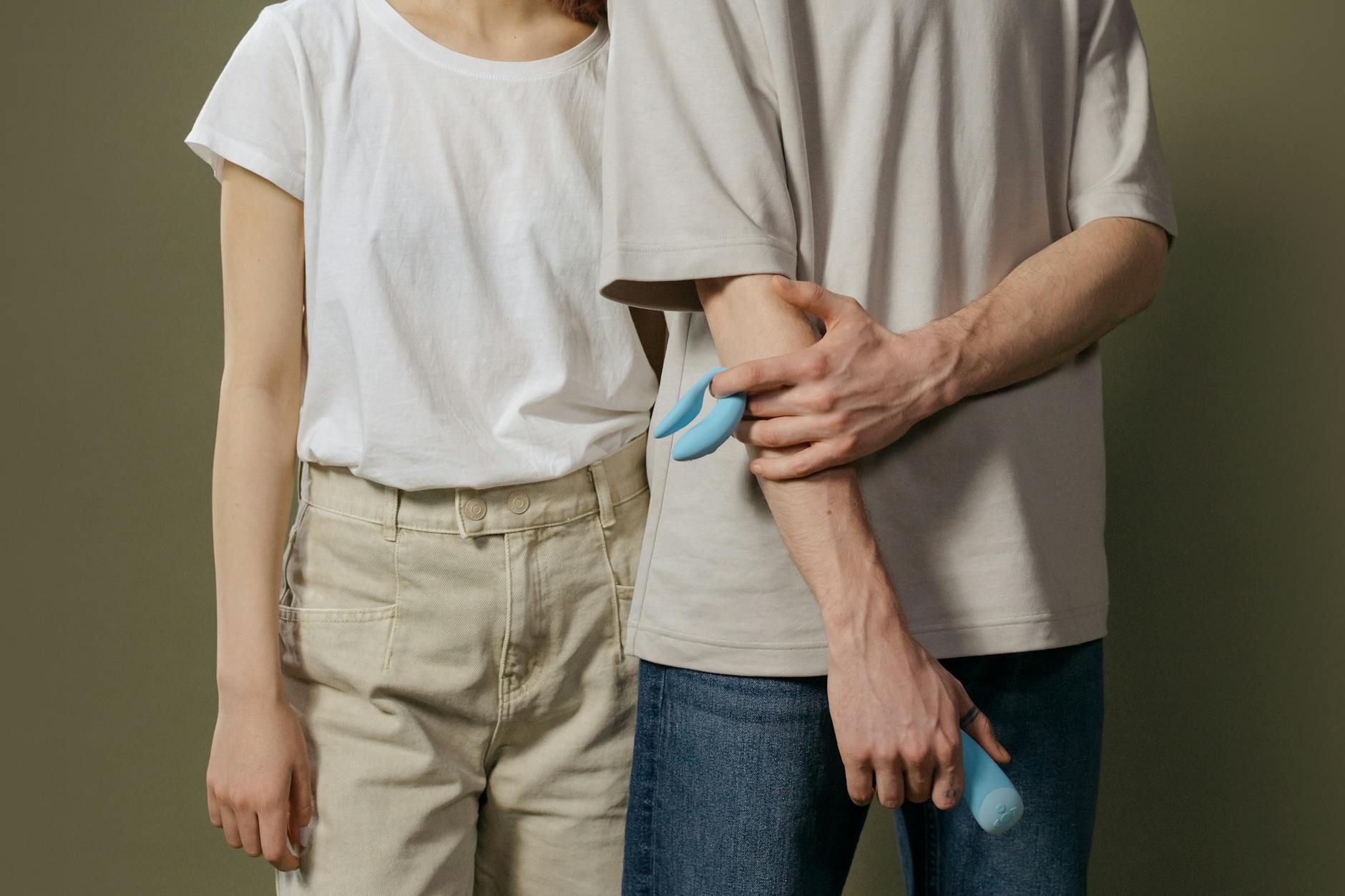
Why Lemon Vibrators Feel Different After Getting Back Together
Let's be real. When you get back together with someone after a break, everything feels different. The kiss tastes different. The touch lands differently. And if you're using a clitoral vibrator like the Lemon, that feels different too.
That's not your imagination, and it's not broken. It's a combination of nervous system activation, relationship context, and something deeper happening in how your brain processes pleasure when emotional safety shifts.
I work with a lot of couples navigating reunion. The question that comes up most often? "Why does my body respond so differently now, and is that normal?" The answer is yes, and understanding why helps you move through it instead of panicking.
The nervous system reboot that happens when you reunite
When a relationship ends or pauses, your nervous system shifts into a protective state. You might not feel it consciously, but your body is in a lower-arousal baseline. Your vagus nerve is firing differently. Cortisol (stress) might be elevated, even weeks or months after the separation.
When you reunite, especially if there's genuine repair and vulnerability, your nervous system recalibrates. This happens fast. For some people, it happens in a conversation. For others, it takes weeks of consistent safety and emotional presence.
This recalibration affects how sensitive your tissues are, how quickly you arousal builds, and how intense sensations feel. A clitoral vibrator that felt perfect before the break might feel either dull or overwhelming depending on where your nervous system is in that reset.
This is temporary. But ignoring it, or assuming you've "lost" sensation, creates unnecessary anxiety that actually extends the adjustment period.
Why vibration intensity feels unpredictable during reunion
Here's the neurological piece. Pleasure isn't just physical. It's gated by emotional state.
When you're in a reunion phase, your brain is literally rewiring how it processes stimulation from this person. Your amygdala (threat detection) is standing down. Your orbitofrontal cortex (reward prediction) is recalibrating. This rewiring makes sensations feel sharper, softer, or just completely off from one moment to the next.
Your lemon vibrator doesn't change. Your nervous system does. You might find that:
- Pattern 1 on the Lemon feels intense one day and barely there the next
- Arousal takes longer to build, even though emotional connection is strong
- Orgasms feel different in intensity or location
- You need longer warm-up time than you used to
All of this is normal during nervous system recalibration. I recommend tracking this for about 4 weeks. Keep a simple note of what patterns you used and how your body responded. Around week 4, you'll see the pattern stabilize.
The emotional safety component nobody talks about
Here's what actually changes sensation more than anything physical. Emotional safety.
If you've been through a break and reunion with the same partner, there's often an undercurrent of hypervigilance. Part of your brain is still scanning for threat, even if intellectually you trust them again. This hypervigilance literally gates pleasure signals.
During sex or solo play with a vibrator during this phase, your nervous system is doing two things at once. It's trying to relax into pleasure while simultaneously monitoring. That split attention changes everything about how sensation lands.
You might notice you can't orgasm with a partner nearby, even though you want to. You might need to use your lemon vibrator solo first to rebuild that pathway of safety. You might find you need reassurance mid-session that you wouldn't have needed before.
None of this is weakness. It's your body doing exactly what it's designed to do after potential threat.
The solution is slow rebuilding of micro-moments of safety. A hand on your chest. Eye contact. Small affirmations. Over time, the gate opens wider, and sensation returns to what you remember.
Physical changes during reconnection you might not expect
Beyond the nervous system, a few physiological things shift:
Vaginal lubrication timing changes. When you're in protective mode, lubrication happens slower or might be less abundant. As you reconnect, this usually reverses fast. But during the transition, you might suddenly need lubricant when you didn't before. This isn't dryness or dysfunction. It's a timing thing.
Pelvic floor tension patterns shift. After a break, the pelvic floor often holds tension differently. Reunion anxiety or hesitation can create new tension patterns. This changes how a vibrator feels against those tissues. A gentle internal vibrator might feel weird or tense, when before it felt perfect. This resolves with intentional pelvic floor relaxation, not with tension.
Arousal ramp speed changes. Your body used to build arousal in 5 minutes with this person. Now it takes 15. Again, temporary. But rushing it, or assuming you've lost desire, often becomes self-fulfilling.
The Lemon works beautifully during this phase because it doesn't require deep internal penetration. The suction-based stimulation works with nervous system recalibration better than traditional vibration. You can use it for solo exploration to map where your sensitivity actually is right now, not where you think it should be.
How to work with your body during the adjustment period
Four practical things I recommend to couples navigating reconnection with toys:
One. Separate solo and partnered use for the first 2-3 weeks. Use your lemon vibrator alone to figure out what actually feels good right now. Don't try to perform or replicate what you used to do together. Solo play is data collection, not goal-oriented. Once you know what your body actually wants now, partnered play becomes much simpler.
Two. Start with pattern 1 or 2, even if you used patterns 5 or 6 before. This isn't regression. It's matching where your nervous system is. As you reconnect, intensity tolerance returns naturally. Forcing intensity you're not ready for just creates friction.
Three. Communicate the actual sensations, not the feelings. Instead of "I don't feel anything," try "Right now, pattern 2 with some lubricant feels best." This keeps the conversation in the physical realm where you have agency, rather than the emotional realm where you might feel blame or shame.
Four. Build in non-sexual touch first. Before bringing vibrators into partnered time, spend a week or two on skin-to-skin contact, massage, and simple touching. This accelerates nervous system recalibration way faster than jumping straight to sexual activity.
What to do if sensation feels completely numb
If you're using your clitoral vibrator and feeling genuinely nothing, not just "less than before," that's worth paying attention to.
First, rule out physical things. Are you on new medications? Hormonal changes? Dehydration? These all affect sensation and are easy to adjust.
If the physical stuff checks out, you're likely in a deeper protective state. This happens sometimes with reunion after difficult breakups. Your nervous system is protecting you from the vulnerability of feeling. This resolves, but it usually needs more than a vibrator. It needs therapy or deep conversations with your partner about what made the break hard and what's different now.
I've worked with couples where this numbness lasted weeks. Once they addressed the relationship stuff directly, sensation came roaring back. The vibrator didn't change. The safety did.
FAQ
Why do clitoral vibrators feel different when you get back together with someone?
Your nervous system recalibrates during reunions. Decreased stress hormones, increased emotional safety, and rewiring of pleasure pathways all change how sensitive your tissues are and how your brain processes stimulation. This is temporary and usually stabilizes within 4 weeks.
Is it normal for a lemon vibrator to feel too intense after getting back together?
Yes. Your nervous system is recalibrating, which can make sensations feel sharp or overwhelming. Try starting at pattern 1 or 2, even if you used higher patterns before. As emotional safety rebuilds, you can gradually increase intensity. It's not that your body changed. It's that the gate controlling sensation is recalibrating.
How long does it take for sensation to normalize after reunion?
Most people see stabilization within 2 to 4 weeks of consistent reconnection and emotional safety. Some couples take longer if the breakup was traumatic. Tracking your experience for 4 weeks gives you clear data instead of guessing.
Can I use a lemon vibrator while reconnecting with my partner if sensations feel numb?
Yes, but I recommend solo use first. Use your vibrator alone to map where your actual sensitivity is right now. This takes pressure off yourself and your partner. Once you know what feels good solo, partnered exploration becomes simpler and less anxious.
Does numbness during reunion mean I've lost interest in my partner?
Not necessarily. Numbness is usually a nervous system protective response, not a sign that desire is gone. If emotional safety feels high but numbness persists beyond 4 weeks, that's worth exploring with a therapist or sexologist to rule out other factors.
Should I tell my partner if stimulation feels different after we get back together?
Absolutely. Keep it factual. "Right now, I need more warm-up time" or "Pattern 2 feels better than what we used before" gives your partner useful information and keeps you in partnership mode instead of performing mode. This actually speeds up reconnection.
The bigger picture
When sensation shifts during reunion, it's not a failure. It's your body communicating where it actually is emotionally and physically. That communication, if you listen to it, accelerates healing and reconnection.
Your nervous system isn't broken. It's recalibrating. Your pleasure isn't gone. It's being gated by protective mechanisms that exist for a reason. The lemon vibrator, or any clitoral vibrator, becomes a tool for understanding this process instead of a failure point.
Give yourself the 4-week window. Use solo time to explore what your body actually wants now. Build emotional safety through small moments of presence. And trust that as the safety deepens, sensation and pleasure return to their full intensity.
If you're navigating reunion and feeling stuck, that's what couples communication guides exist for. And if numbness or disconnection persists, reaching out to a relationship specialist can help you untangle what's underneath.
Reunion is its own thing. Give it time.