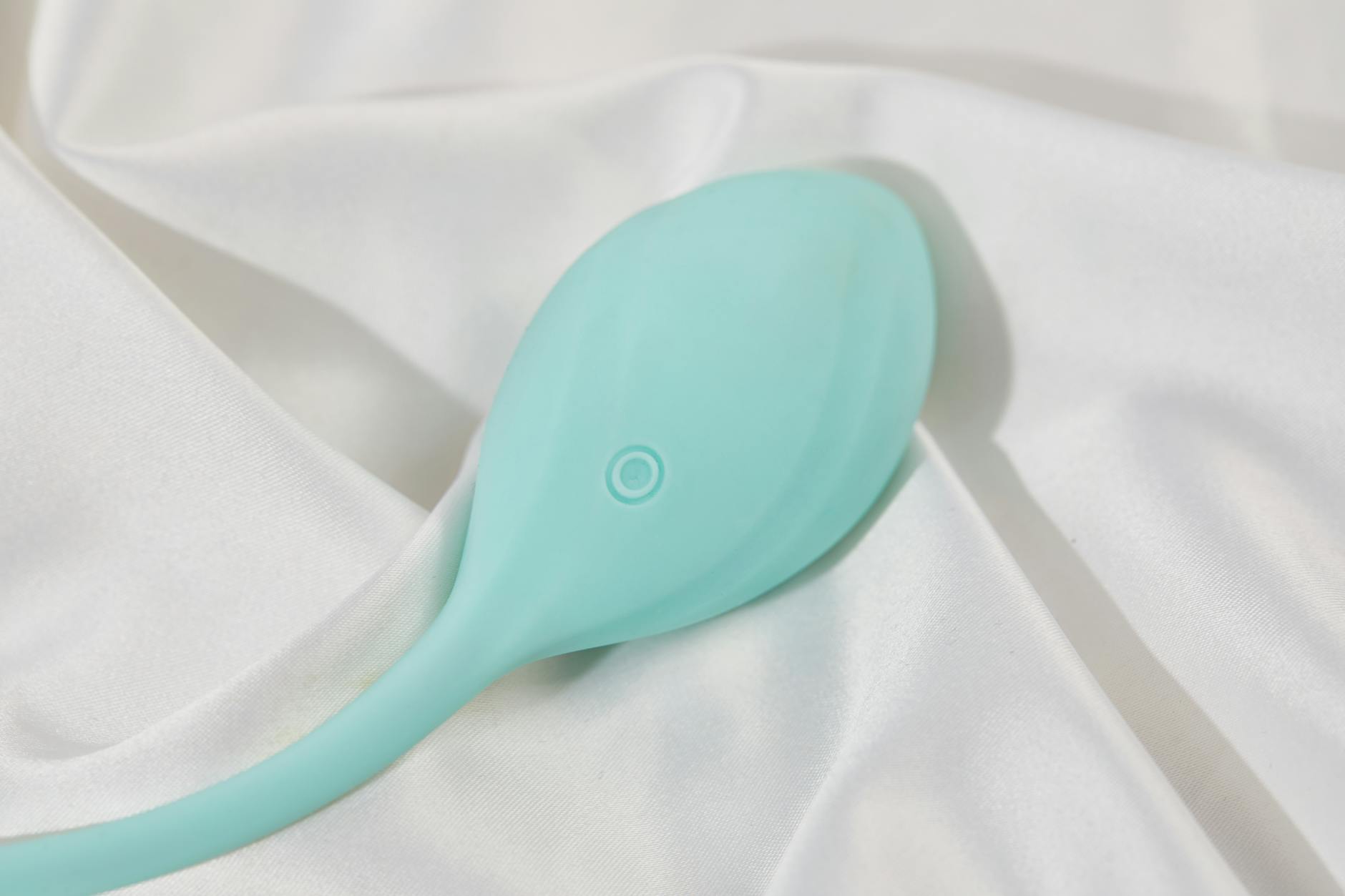
Why Lemon Vibrators Need Extra Lubrication After Hormonal Shifts
Here's the thing nobody tells you upfront: your lemon vibrator isn't suddenly less effective. Your body's producing less of its own lubrication, and that changes everything about how the device performs.
When estrogen drops, your vaginal tissue gets thinner and produces less natural moisture. This isn't a failure of your body. It's a straightforward physiological shift that happens during perimenopause, menopause, hormonal birth control changes, and certain medications. The good news is that adding external lubrication is a simple fix that transforms the entire experience back to what you remember.
The tricky part is knowing which lubricant actually works with your lemon clitoral vibrator, how much you need, and why the stuff you bought five years ago might not be your best option anymore.
What hormonal changes actually do to lubrication
Estrogen is what keeps vaginal tissue plump and moist. When it drops, the tissue becomes thinner, the network of blood vessels supplying moisture shrinks, and natural lubrication slows to a trickle. For people using lemon vibrators or other clitoral toys, this means friction increases even when the device is running exactly as it always has.
This isn't just about comfort. Reduced natural lubrication also changes how the suction mechanism of your lem vibrator engages with tissue. The seal doesn't work the same way. The sensation becomes sharper and more localized, sometimes uncomfortably so. Some people describe it as intense, some as numb. Both are usually descriptions of the same problem: reduced lubrication changing the tissue's response to stimulation.
There's also the inflammation piece. Thinner tissue is more vulnerable to small irritations. If you've suddenly noticed that your lemon vibrator leaves you feeling tender afterward, reduced estrogen is likely the culprit. Adding lubrication protects the tissue and prevents that lingering irritation.
Why water-based lubrication is non-negotiable for silicone toys
If you're using a lemon sexual toy made from medical-grade silicone (which Hello Nancy devices are), you absolutely cannot use silicone-based lubricant. The silicone in the lube will degrade the silicone in your toy over time, making it sticky and eventually ruined.
Water-based lubrication is the only safe option. It won't damage your lem vibrator, it's easy to reapply during sex, and it washes off with plain water. The trade-off is that water-based lubes can dry out faster than silicone-based ones, which means you might need to reapply mid-session. Most people with hormonal lubrication changes find this a minor inconvenience compared to the comfort gain.
Hypoallergenic, glycerin-free water-based lubes are best if you're prone to yeast infections or have sensitive vulvar skin. Glycerin can feed yeast and throw off your pH, which becomes more of a concern when estrogen is already affecting your vaginal microbiome.
How much lubricant you actually need
This is where people get it wrong. You don't need a huge amount. Think of lubrication as a glide layer, not a flood. Too much and it dilutes quickly and gets messy. Too little and you're back to friction.
Start with about a teaspoon applied directly to the external clitoral area where your lemon clitoral vibrator will make contact. Rub it in gently with your finger to distribute it evenly. If you're using the device for 10-15 minutes or longer, you'll likely need to reapply halfway through.
Many people find it helpful to apply a tiny bit to the tip of the lem vibrator itself before pressing it against the clitoris. This ensures the suction seal engages smoothly without that initial friction spike.
The sensation difference when you add lubricant
Without lubrication after hormonal shifts, lemon vibrators often feel like they're working harder than they should to create sensation. The motor sounds the same. The patterns are identical. But the actual feeling is muted or hyperlocalized in a way that doesn't feel quite right.
When you add water-based lubricant, the sensation normalizes. The suction mechanism glides smoothly. The patterns feel more diffuse and pleasurable. Many people report that orgasms feel more whole-body, less stuck in one intense point.
This shift usually happens within the first session of using lubricant. You'll know immediately if you've added the right amount because the device will feel like it's gliding rather than gripping.
Hormonal changes that affect lubrication beyond menopause
Menopause gets all the attention, but lubrication drops during other hormonal transitions too. Starting or stopping hormonal birth control, switching between formulations, taking certain antidepressants, and even prolonged stress can tank your natural lubrication.
If you've switched contraceptive methods and suddenly need lubricant where you didn't before, your body isn't broken. It's responding normally to a hormonal shift. Some birth control formulations suppress lubrication more than others. Talking to your doctor about whether a different option might work better for you is worth doing, but in the meantime, lubricant is a perfectly valid solution.
Postpartum bodies also produce less natural lubrication, especially if you're breastfeeding. Breastfeeding suppresses estrogen, which means reduced vaginal moisture. If you're interested in using your lemon vibrator postpartum, lubrication is essential for comfort and safety.
What to avoid when lubrication is low
Don't try to force sex or toy use without adequate lubrication just because you're determined. Friction during a period of low natural moisture can cause micro-tears in vaginal tissue that hurt for days and increase infection risk. It's not worth it.
Avoid oil-based lubricants, baby oil, coconut oil, and any DIY alternatives, even if they seem natural. These can trap bacteria, damage latex and silicone, and mess with your vaginal pH. Stick to actual personal lubricants designed for this purpose.
Don't assume you need to use less lubricant because you're embarrassed about needing it. Needing extra lubrication after hormonal changes is completely normal. It doesn't mean anything is wrong with you or your desire. It means your body chemistry shifted, and you're using a simple tool to accommodate that.
When to talk to a doctor
If pain accompanies low lubrication, or if lubricant alone isn't solving the problem, genitourinary syndrome of menopause (GSM) might be at play. This is treatable with topical estrogen creams that have minimal systemic absorption and work remarkably well.
Your primary care doctor or gynecologist can prescribe these. They're typically applied a few times a week and often resolve dryness and tissue thinning within weeks. If you're also dealing with why your lemon vibrator feels different after hormonal changes, combining a topical treatment with proper lubrication creates the fastest relief.
Some people also find that using lemon clitoral vibrators more frequently actually helps stimulate natural lubrication over time. Regular sexual activity brings blood flow to the tissue, which can increase moisture production. It's worth trying before assuming you're stuck with external lubrication forever.
Rebuilding confidence with lubrication
Switching from not needing lubricant to needing it can feel like a loss. That's real. You're used to a version of your body that worked differently. Adding a product can feel like a reminder that things have changed.
Here's the perspective shift: lubrication isn't a compensation for a broken body. It's a tool that lets you access the same pleasure you've always had, just with a small accommodation. Millions of people add lubricant to their routine and find it opens up more sensation, not less, because they're not fighting friction anymore.
Your lemon vibrator works exactly the same. Your body is just asking for a small adjustment. That's it.
People also ask
Can you use water-based lubricant with a lemon clitoral vibrator?
Yes, absolutely. Water-based lubricant is the only safe option for silicone toys like your lem vibrator. It won't degrade the material and is easy to clean off afterward. Reapply as needed during longer sessions since water-based lubes dry faster than silicone-based options.
Does needing lubricant mean I'm not aroused enough?
Not at all. Natural lubrication is controlled by hormones, not arousal level. You can be completely turned on and still have reduced lubrication due to hormonal shifts, medications, stress, or stage of life. Adding lubricant doesn't indicate a problem with desire or arousal.
How long does it take for lubrication to improve after addressing hormonal changes?
If the cause is hormonal shifts like perimenopause or menopause, lubrication typically improves gradually over months or years as your body adjusts. Topical estrogen creams can speed this up significantly, often showing improvement within 2-3 weeks. If the cause is a medication side effect, switching medications (with your doctor) might help, but some medications always require external lubrication.
What's the difference between water-based and hybrid lubricants?
Hybrid lubricants combine water-based and silicone ingredients. They last longer than pure water-based lubes but aren't safe for all silicone toys because the silicone component can degrade some toy materials. For lemon vibrators, stick with pure water-based formulas to be safe.
Why does my lemon vibrator feel different after I stopped taking birth control?
Hormonal birth control suppresses your natural hormone cycle and often reduces lubrication production. When you stop, it takes your body time to readjust and restore its natural lubrication patterns. During that transition period, needing extra lubricant is completely normal.
Can you train your body to produce more natural lubrication?
Not directly, but increased sexual activity does improve blood flow to genital tissue, which can support natural lubrication production over time. Stay hydrated, manage stress, and maintain overall cardiovascular health. If hormonal changes are the root cause, your natural lubrication might not fully return without addressing the hormonal piece through medication or other treatment.
The bottom line
Your lemon vibrator didn't stop working. Your body's natural lubrication changed. Adding water-based lubricant is a straightforward solution that lets you access the same pleasure you're used to. It's not a sign of decline or loss of desire. It's just body chemistry, and it's completely manageable. Start with a small amount, reapply as needed, and enjoy the fact that you have a device that still works beautifully with a tiny accommodation. That's the whole point of tools like this: they adapt to your body's needs across every stage of your life.