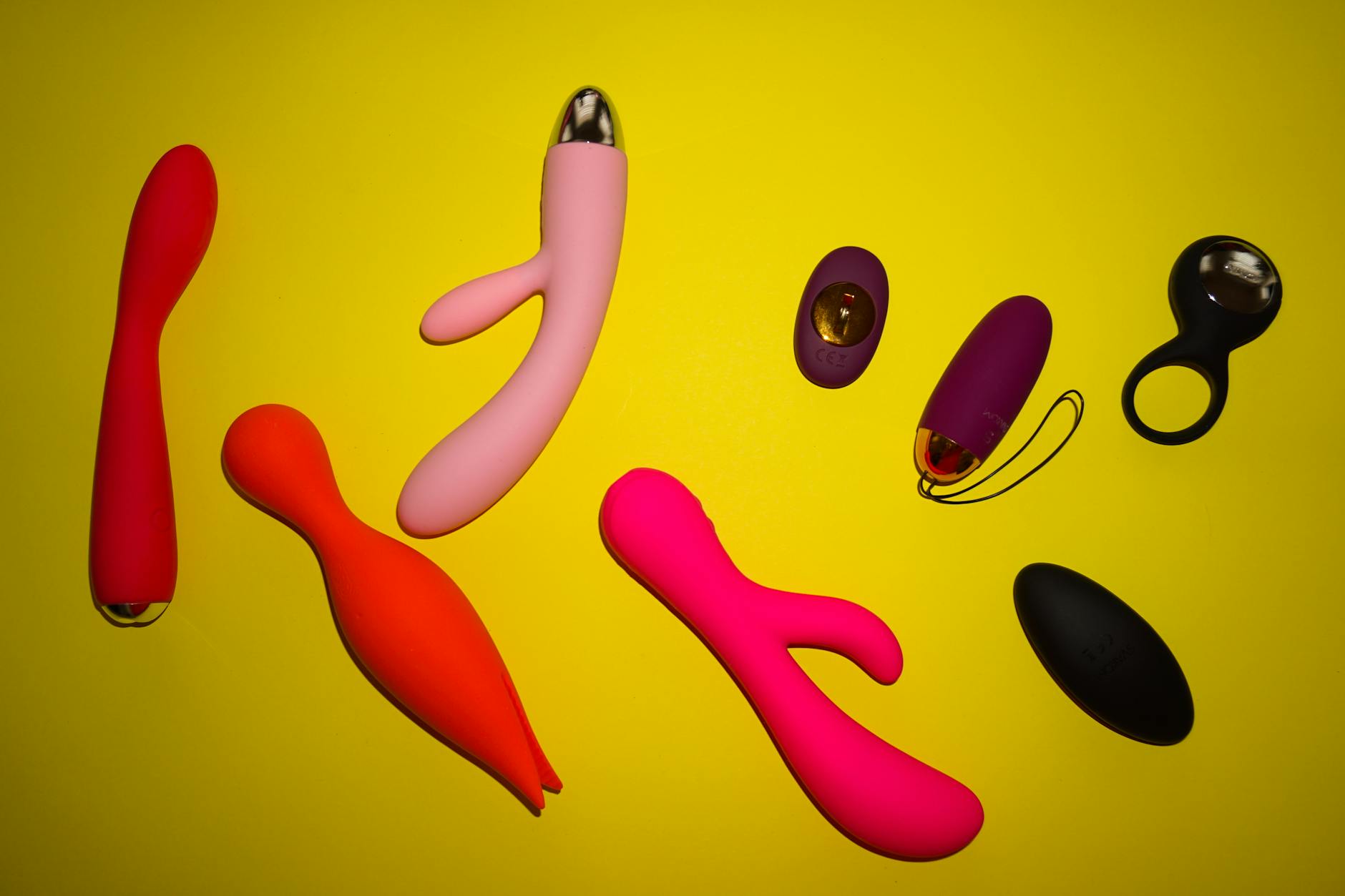
The setting that works for you is probably not the one in the ad
One of the first things I hear from new lemon vibrator users is this: "I tried it on the highest setting because that's what I thought I was supposed to do, and it actually hurt." Then they put it away for months, convinced they don't like vibrators at all. Here's the thing. The Lem and other clitoral vibrators have multiple intensity settings not as a gimmick, but because bodies vary wildly in how they process stimulation. Nerve density differs. Baseline sensitivity differs. Arousal state matters. And sometimes what you need changes week to week. Learning your own map is what transforms a lemon vibrator from a confusing tool into something genuinely pleasurable.
How body type and nerve density actually affect what feels good
Nerve clustering in the clitoris is not evenly distributed, and neither is skin thickness or tissue responsiveness. This is neuroanatomy, not opinion. People with less body fat in the pubic mound often have more direct stimulation reaching nerves more quickly, which means lower intensities can feel plenty strong. People with more padding in that area may need higher settings to feel the same sensation traveling through the tissue. Neither is better or worse. They just require different dial positions.
Similarly, some folks are born with denser nerve distribution in their clitoris. An external clitoral vibrator at setting 2 feels like setting 5 to them. Others have the opposite. If you've ever wondered why your best friend swears by a device that felt like nothing to you, this is a huge part of why. It's not that you're broken or numb. Your nervous system just has a different wiring diagram.
Age, hormones, and recent medication changes also shift this baseline. As estrogen drops, tissue becomes thinner, which can make the same intensity feel sharper or more intense. As testosterone drops, arousal itself builds more slowly, which means you might need gentler early settings before ramping up. Antidepressants, blood pressure medication, and birth control can all dial down sensation in different ways. So can stress and sleep debt.
The three setting categories and when to use each
Low intensity (settings 1-3). These are not warm-up settings exclusively, though they're perfect for that. They're also the main event for people with high baseline sensitivity, those just returning to pleasure after a break, or anyone on medications that flatten response. Low settings on a lemon clitoral vibrator create a diffuse, almost ambient stimulation that builds slowly. Many people find the best orgasms come from staying in this zone for 10-20 minutes rather than chasing intensity. The sensation has space to build.
Medium intensity (settings 4-6). This is where most people find their sweet spot after warm-up. Medium settings offer enough sensation to feel clearly pleasurable without the sharpness that can come with maximum intensity. If you're using a lemon vibrator with your partner without awkwardness, medium settings also tend to be the goldilocks zone for partner stimulation. Strong enough to be obvious and felt, gentle enough that it won't overwhelm if they're less experienced with sensation.
High intensity (settings 7-10). These are for people who genuinely need them, not for everyone. High settings can produce intense, fast orgasms for people with lower baseline sensitivity or for when you're already deeply aroused and want to go fast. But here's the thing nobody talks about. High intensity orgasms feel different from slow-build orgasms. Faster release, sometimes shallower, sometimes less full-body sensation. Neither is better. But if you're chasing the full, spreading kind of orgasm, you might find medium intensity with longer buildup actually gets you there more reliably than maxing out the dial.
How to find your personal baseline without guessing
Start in a low-arousal state, not when you're already turned on. This matters because arousal changes sensation. When you're already excited, everything feels more intense. You want to calibrate your baseline when you're calm. Sit somewhere comfortable, make sure you have privacy, and start on setting 1. Hold it there for at least 30 seconds. Not to have an orgasm. Just to feel what that intensity actually registers as in your body.
Move to setting 2. Feel the difference. Keep going, one setting at a time, with enough pause between each to really notice the shift. You're mapping your own nervous system here. This isn't a race.
When you hit a setting that feels genuinely good, remember that number. That's probably your warm-up setting. Go a couple higher. That's probably your medium setting. Keep going until you hit a point where it feels too intense or almost sharp. You've found your ceiling. You don't have to go there, but now you know where it is.
Do this calibration sober, well-rested, and ideally not during a high-stress week. Your nervous system is more sensitive to stimulus when you're depleted.
The sensitivity conversation nobody has
Some people are constitutionally more sensitive to stimulation, even in low arousal. This is not a flaw. It's just how their nervous system is wired. If you're someone who has always found most vibrators overwhelming or uncomfortable, you might think you're just not a vibrator person. But lemon vibrators often work for sensitive folks because the suction mechanism is gentler and more diffuse than traditional vibration. The Lem, for instance, uses air-pulse technology rather than direct buzzing, which spreads sensation more evenly.
If you're highly sensitive, start on the lowest setting and stay there for multiple sessions. Give your nervous system time to acclimate. Many sensitive people find that after three or four sessions at setting 1, setting 2 becomes their comfortable baseline. It's not numbness. It's adaptation.
On the flip side, if you find yourself numb after hormonal changes, that's typically about tissue thickness or arousal building more slowly, not about your vibrator's power. The fix is usually more warm-up time and possibly a water-based lubricant, not higher intensity.
Why going higher isn't the same as going better
I see a lot of people assume that chasing the highest setting will create the strongest orgasm. It's intuitive. But intensity and quality of orgasm are not the same thing. A slow-build medium-intensity orgasm can be more full-body, more satisfying, and more memorable than a fast high-intensity one. The experience is different, not lesser.
If you're using a clitoral vibrator, you have time. You can spend 20 minutes on setting 3 if you want. The pleasure builds in layers. By the time you reach climax, you've involved more of your body and more of your nervous system than a quick high-intensity sprint would.
That said, if you genuinely prefer fast, intense orgasms, that's also valid. The point is knowing the difference between "this is my preference" and "this is what I think I'm supposed to do."
Setting shifts that match your cycle and life
If you menstruate, your ideal lemon vibrator settings might shift across your cycle. During the luteal phase (after ovulation), estrogen is higher and sensitivity to vibration is often higher too. You might find setting 3 feels like setting 5 compared to your follicular phase baseline. This is not a problem. It's information. Adjust accordingly.
After a breakup, after stress, after medication changes, after a long hiatus from solo pleasure. Your settings will shift. The idea that you should stay locked into one intensity is false. You're a dynamic system. Your preferences can change weekly and that's completely normal.
When to see a specialist
If every lemon vibrator setting feels painful or numb regardless of where you start, that can signal something worth discussing with a gynecologist or pelvic floor physical therapist. Pain often points to pelvic floor tension or vulvovaginitis. Numbness sometimes indicates nerve issues or medication side effects worth exploring. Neither means vibrators aren't for you. It means you might need support finding the right conditions first.
If you've used a lemon vibrator for years and suddenly nothing feels good, that's usually adaptation rather than permanent desensitization. A break of one to four weeks, combined with increasing foreplay and decreasing vibrator intensity, often resets your nervous system.
The best lemon vibrator setting is the one you actually use
Honestly, the most common mistake I see is overthinking this. You don't need to nail your perfect intensity on day one. Use your lemon clitoral vibrator on whatever setting feels good today. Tomorrow might be different. Next week might be different again. Your body is allowed to have preferences, and those preferences are allowed to change.
Your pleasure matters. That matters more than finding the "right" setting. Start low, pay attention, and trust what actually feels good in your body right now.